
Part 1 of 3 in Lee Chang-dong and Possible Love
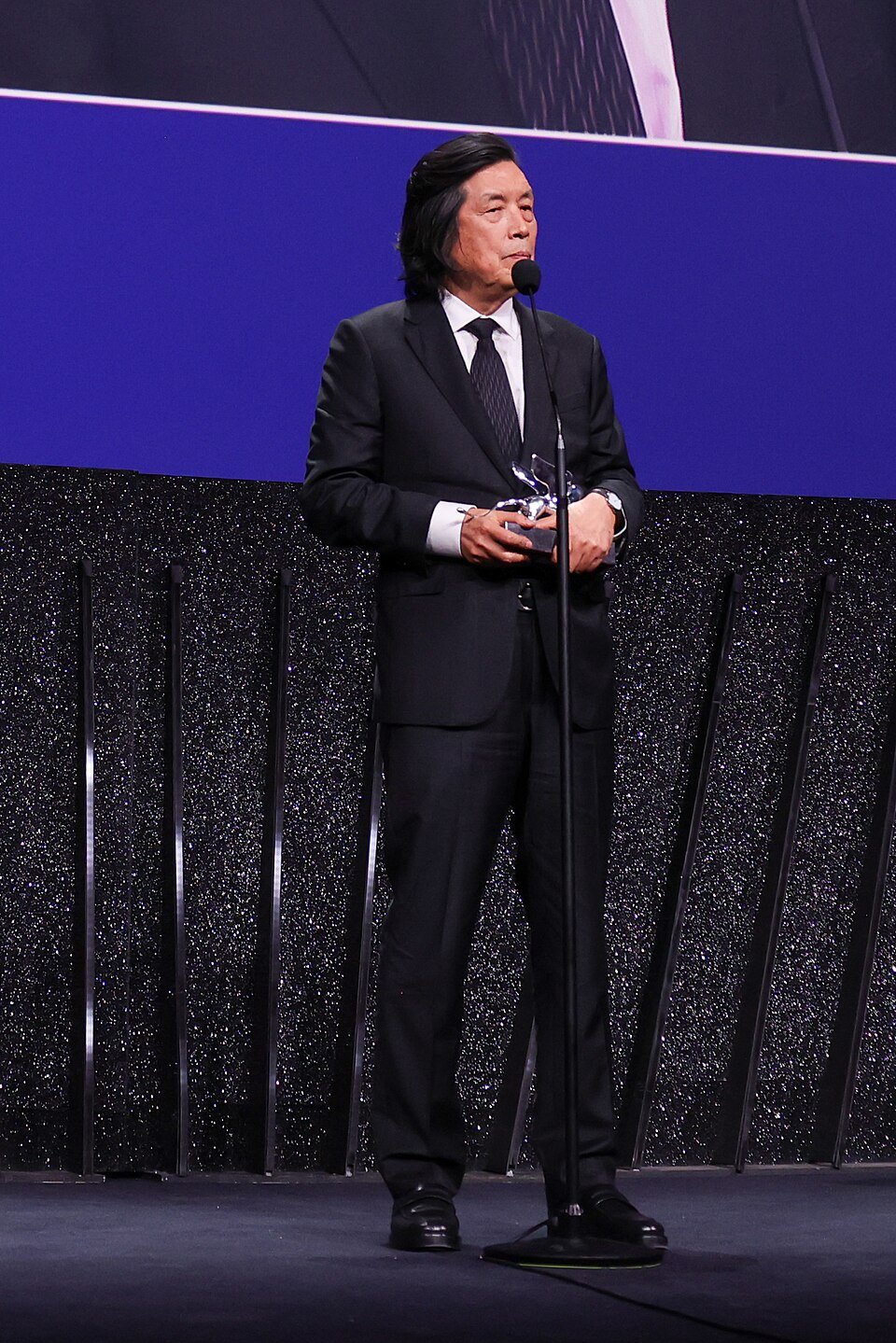
Featured photo: Lee Chang-dong holds the Silver Lion at the Venice closing ceremony, September 12, 2026. Photo: Ondine Goat via Wikimedia Commons, CC BY-SA 4.0.
Lee Chang-dong’s Possible Love has 59 reviews on Rotten Tomatoes, and all 59 are fresh.[1] Korean investors would not fund it, and it nearly never got made. It went on to become the first Korean film to win the Grand Jury Prize at Venice. This Friday, November 6, it arrives on Netflix worldwide. As a fan who has waited a long time for a new Lee Chang-dong film, I was thrilled to see that number. Eight years of waiting since Burning were worth it.
In this story
The praise, in numbers
It sits at 100% on Rotten Tomatoes with an average rating of 8.8/10, and at 95 on Metacritic from 29 reviews, “universal acclaim.”[1][2] On Letterboxd, more than 12,000 film fans have rated it, for an average of 4.16 out of 5.[3]
Critics have not held back. In The Hollywood Reporter, David Rooney wrote that Lee’s “humanistic observational skills remain at their peak, the acuity of his insights into emotional lives and social conditions unparalleled.” Vulture’s Bilge Ebiri called it “one for the ages,” and RogerEbert.com’s Brian Tallerico wrote that it is “as dense as our best literature.”[2] IndieWire put “Another Masterpiece” in its headline; RogerEbert.com went with “haunting masterpiece.”[4]
Also read: Netflix's Dead-End Job Is Real: In Korea, a "Honey Job" Was Already a Horror Story
From Venice to Seoul: the trophy list
When the lights came up after the September 6 competition premiere in Venice, the audience stood and applauded for six to seven minutes, and kept going until staff asked them to clear the hall.[21] Sul Kyung-gu pulled a tissue from his pocket to wipe his eyes; Zo In-sung and Cho Yeo-jeong cried too.[5] On the festival’s critics’ grid, the film scored 4.2 out of 5, the highest of any competition title shown up to that point.[16]
Six days later, the jury led by Maggie Gyllenhaal picked it from 21 competition films for the Grand Jury Prize, the Silver Lion, second only to the Golden Lion. No Korean film had won Venice’s Grand Jury Prize before, and according to The Korea Herald, it was the first Korean film to win any Venice prize since Kim Ki-duk’s Pietà took the Golden Lion in 2012.[6] The cast had already flown to Toronto, so Lee accepted alone. Jeon Do-yeon sent a message through Netflix: “I hope that this award becomes a major driving force for the director as he writes his next project.”[17]
| Date | Where | What |
|---|---|---|
| 2026-08-25 | Korean Film Council | South Korea’s entry for Best International Feature, 99th Academy Awards |
| 2026-09-12 | 83rd Venice International Film Festival | Grand Jury Prize (Silver Lion), FIPRESCI Prize, ARCA CinemaGiovani Award for Best Film |
| 2026-09-13 | Toronto International Film Festival | Ebert Director Award to Lee Chang-dong |
| 2026-09-20 | Toronto International Film Festival | International People’s Choice Award, runner-up |
| Announced 2026-10-19 | 46th Korean Association of Film Critics Awards | Best Film; Best Actress (Jeon Do-yeon) |
| Fall 2026 | New York Film Festival, BFI London Film Festival | Main selections |
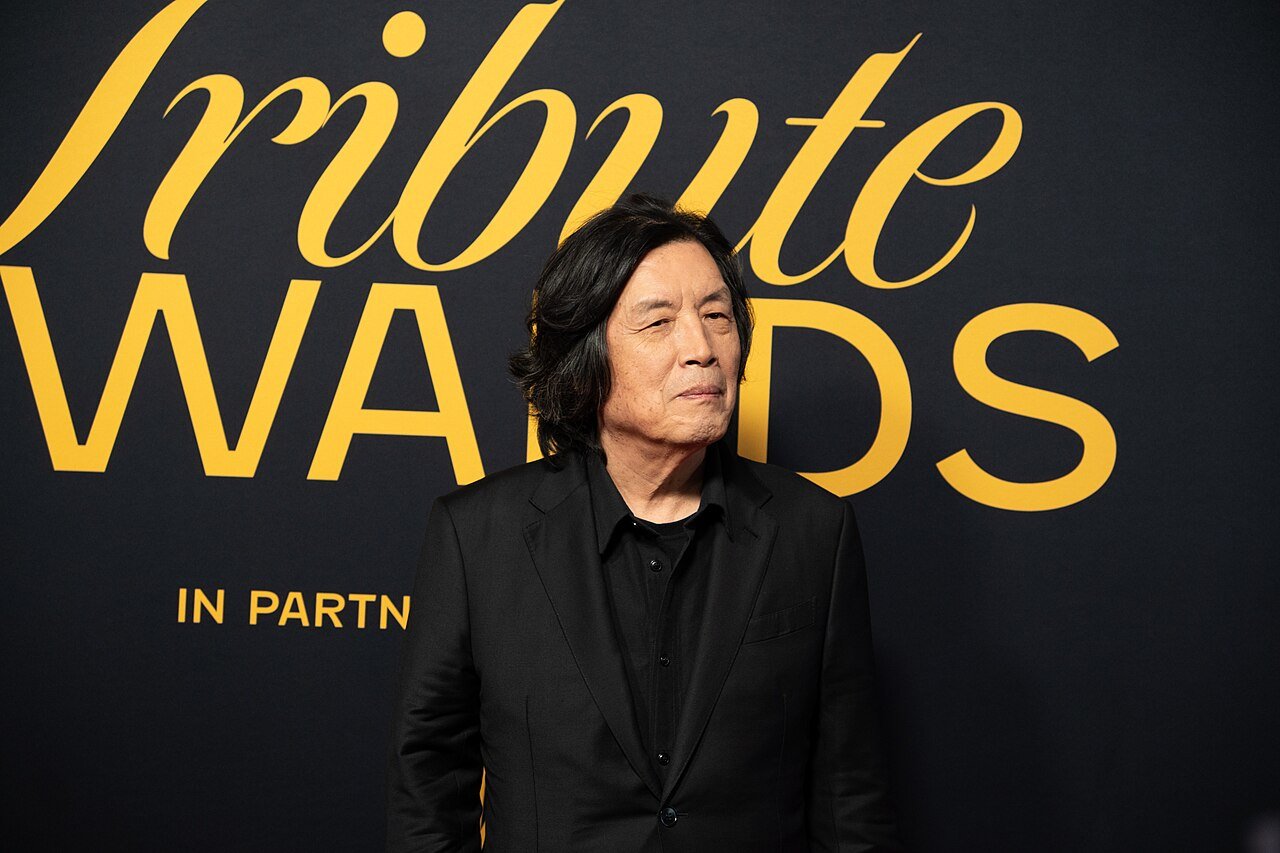
This is the fourth Lee film Korea has sent to the Oscars, after Oasis, Secret Sunshine and Burning.[7] Awards season has only started. Rotten Tomatoes’ early Oscar predictions list it for Best Picture and Jeon Do-yeon for Best Actress.[18]
What Korean audiences and critics say
The film opened in select Korean theaters on September 23. Lee Dong-jin, Korea’s best-known film critic, called it “the best Korean film of the year, maybe more” before release, then gave it five stars out of five. It was the first Korean film he had given a perfect score that year.[8] Cine21’s audience rating is 9.1 out of 10, and CGV’s audience score (“Egg Index”) is 96%.[9] The Korean Association of Film Critics named it Best Film of the year and gave Jeon Do-yeon Best Actress.[10]
I also heard one thing myself from people in the industry. Inside CJ ENM, Korea’s largest film investor and distributor, this film has been called “the greatest masterpiece in the history of Korean cinema.”[11]
The film Korean investors turned down
It almost did not exist. It was developed as a theatrical release, but Korean investors pulled out over commercial worries, and the producers even returned a 1.5 billion won (about $1.1 million) grant they had been awarded by the Korean Film Council.[12] Netflix came in after reading the finished script and promised Lee full artistic control.[13] The budget was about $8.7 million to $9.4 million.[14] The first film in eight years from the most revered director in the country that made Parasite was paid for not by Korean money but by an American streamer.
The four leads, and a young Mi-ok
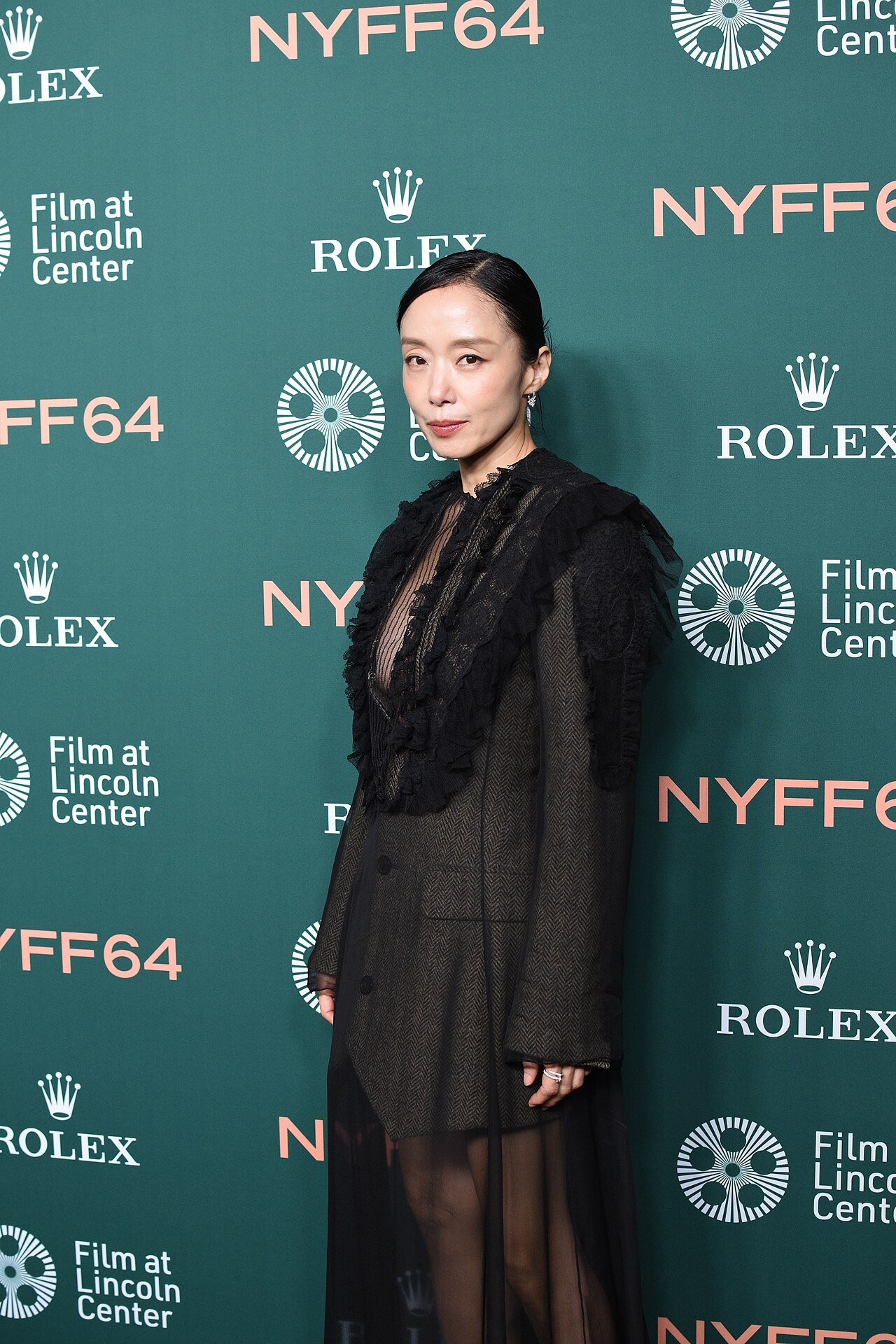
Jeon Do-yeon (Mi-ok) became the first Korean actor to win at Cannes, taking Best Actress for Lee’s Secret Sunshine (2007). Many viewers abroad know her as the assassin in Netflix’s Kill Boksoon (2023). Reunited with Lee after 19 years, she plays Mi-ok, the wife standing beside a laid-off husband. IndieWire called it a once-in-a-century performance, and The Hollywood Reporter wrote that it is hard to imagine anyone else as Mi-ok.[4][18] The Hollywood Reporter also floated her as a possible first Korean nominee for the Best Actress Oscar.[18]
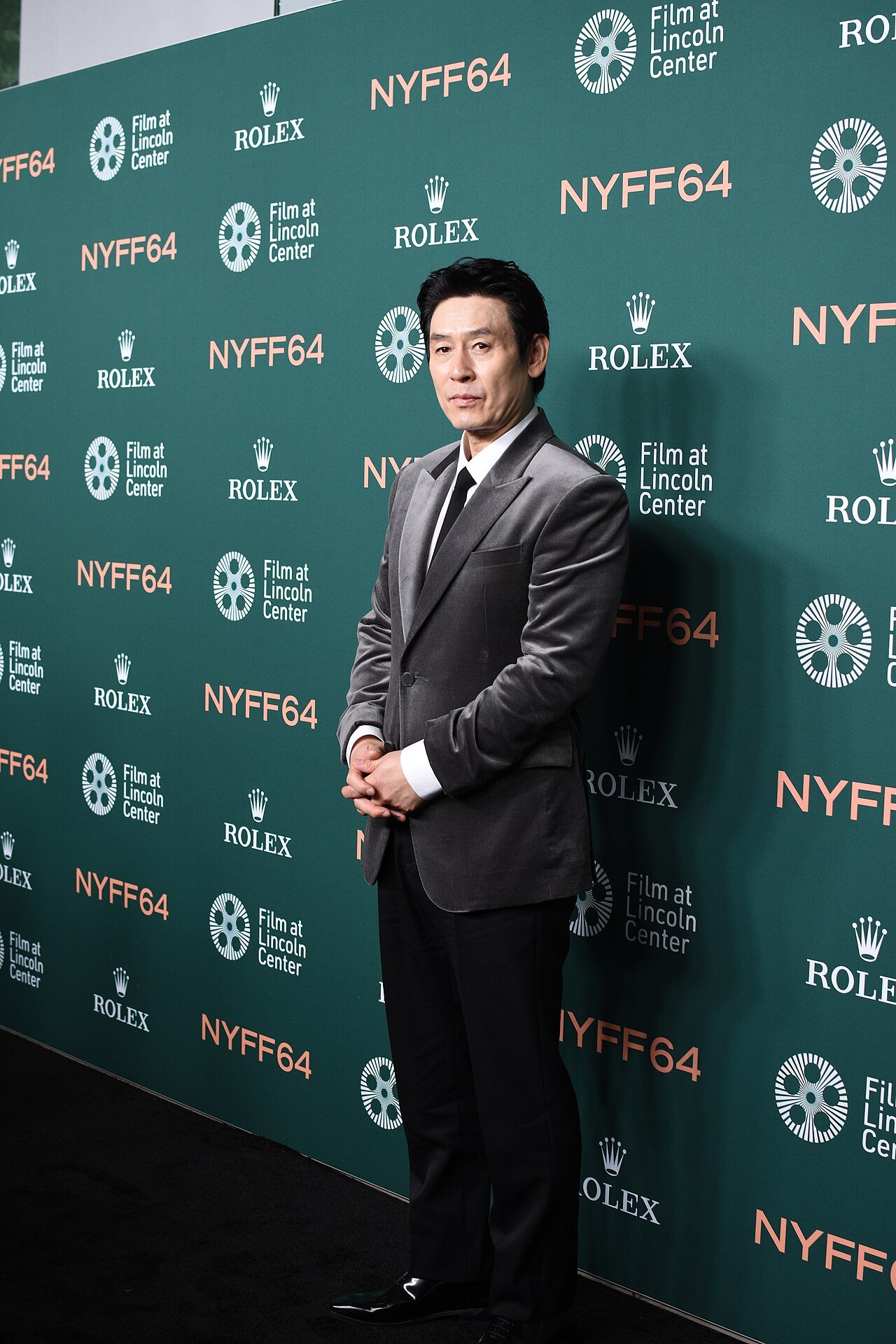
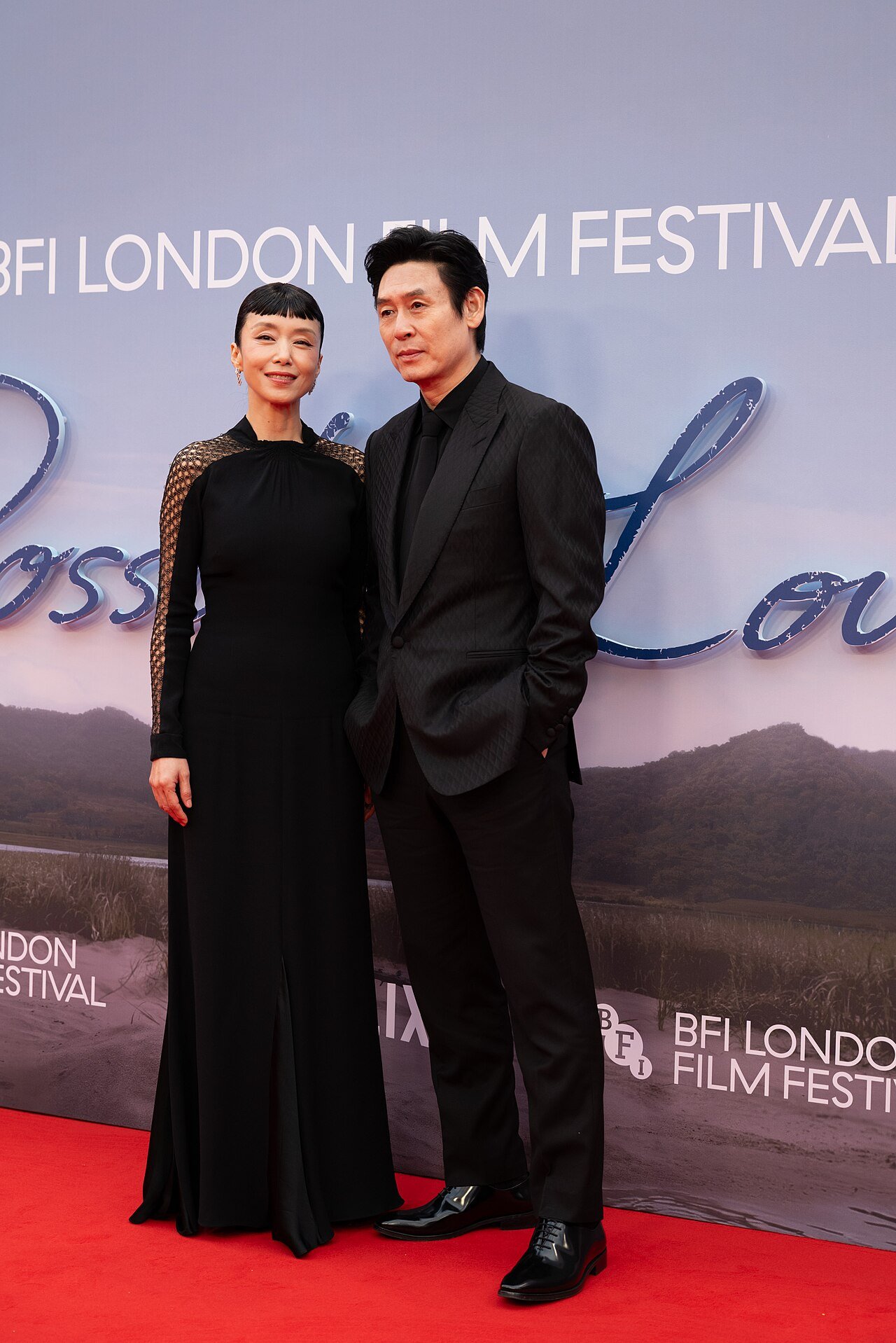
Sul Kyung-gu (Ho-seok) led Lee’s Peppermint Candy (1999) and Oasis (2002). He also starred in Silmido (2003), the first Korean film to pass 10 million admissions. Here he plays Ho-seok, a welder who lost his job and swallows his rage, and 27 years after Peppermint Candy he is a Lee Chang-dong lead for the third time.
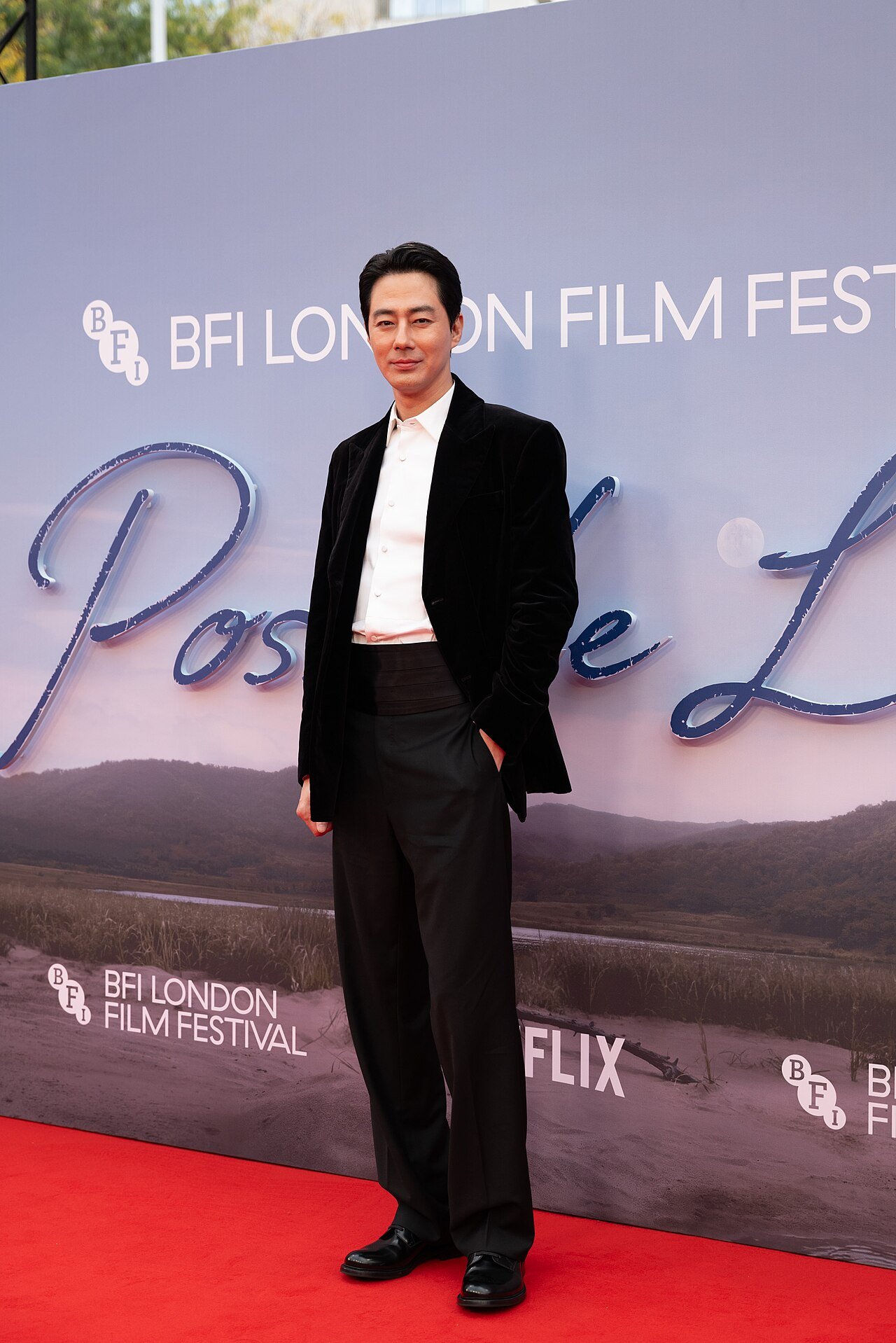
Zo In-sung (Sang-woo) is known abroad for Disney+’s Moving (2023) and the films Escape from Mogadishu (2021) and Smugglers (2023). This is his first Lee film. He plays Sang-woo, husband of the documentary director Ye-ji and owner of the country house where the story turns.

Cho Yeo-jeong (Ye-ji) is the rich wife Yeon-kyo in Bong Joon-ho’s Best Picture winner Parasite (2019). More than a few critics abroad thought of Yeon-kyo when they met Ye-ji.[19] Ye-ji is a wealthy woman who picks up a camera with good intentions, and Cho shows, with a very different face, how far such a person can walk into someone else’s life.

Jo Yu-ri (young Mi-ok) is a former member of the girl group IZ*ONE and played Jun-hee in Netflix’s Squid Game seasons 2 and 3. She plays Mi-ok from middle school until she meets and marries Ho-seok, and her teenage Mi-ok, with an uneven bob, got laughs in Korean theaters.[20]
Why critics fell for it
The story is simple. A car company announces mass layoffs, a rooftop sit-in ends in a police raid, and the welder Ho-seok (Sul Kyung-gu) and his wife Mi-ok (Jeon Do-yeon) are left with what remains. Two years later, the documentary director Ye-ji (Cho Yeo-jeong) asks to film them, and the two couples spend a weekend at the country house of Ye-ji’s husband, Sang-woo (Zo In-sung).[14] Korean media noted that the setup recalls the 2009 SsangYong Motor strike.[15]
Critics point to three things.
First, it shows class at the dinner table, not in speeches. In The New York Times, Manohla Dargis wrote that where some films slather on their themes “with a trowel,” Lee “takes a more discreet, nuanced approach.”[2]
Second, it distrusts the camera itself. AwardsWatch’s Martin Tsai wrote that the film understands that in an age when everyone turns their lives into content, “even suffering can become a luxury enjoyed by those who are fortunate enough to be watching from the other side of the camera.”[2] The real stage of the film is the distance between the people filming misfortune and the people being filmed.
Third, the acting. The Hollywood Reporter wrote that Jeon is most heartbreaking at the moments her character is happiest.[18] Nineteen years after her Cannes win for Lee, she has picked up another Best Actress award at home.
Where audiences split
Not everyone found it easy. Korean viewers split over the 164-minute running time, an ending that refuses to give answers, and the way it handles class. Many went in expecting an affair drama between two couples, and came out arguing about the difference between understanding someone and loving them.[8] Lee has said the title asks what a “possible” love could be.[9] Some even said, “It’s a great film, but hard to recommend to a friend.” Lee Dong-jin’s one-line review explains why: “When the film ends, you quietly go back over every scene you let slip by.”[8]
Where to watch Possible Love
| Where | When | Link |
|---|---|---|
| Netflix (worldwide) | From November 6, 2026 | Watch on Netflix |
| Select theaters, US and Canada | Playing since October 23 | Tickets via Atom Tickets and others (JustWatch US, checked 2026-10-26) |
| Theaters, South Korea | September 23 to October 4 (ended), about 230,000 admissions | — |
(Checked 2026-10-26; rechecked the day before publishing)
Before he ever directed a film, this director was something else entirely. Until he was past forty, he was an award-winning novelist.
Read next
 Possible Love Is Korean Critics' Film of the Year, and Jeon Do-yeon Gave the Line of the Night: "Best Actress Was Always Me"
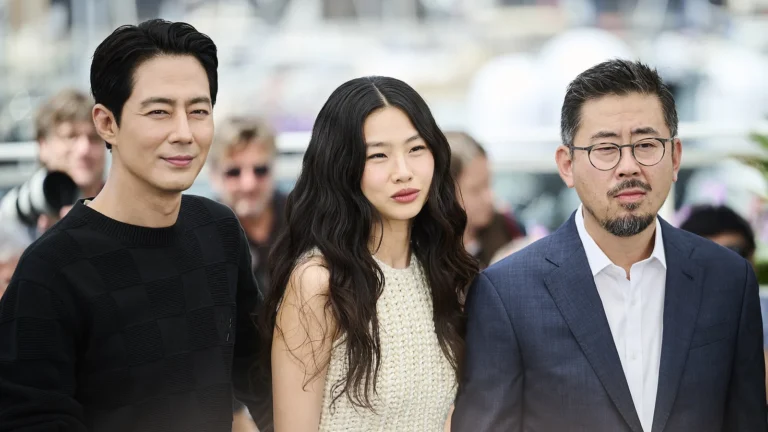 Na Hong-jin's Hope Just Won Three Korean Film Critics Awards. Zo In-sung: "I Really Wanted This One"
 Choi Bul-am Never Knew What a Father Was. Korea Called Him Its Father Anyway
Trending on Seol Notes
- Kim You-jung Cracked Japan Despite the 'Anti-Japan Drama' Label
- The Emperor of K-pop Came Back, and Korea Flipped
- Ae-sun Left the Baeksang Empty-Handed. Then She Spoke: IU
- The No. 1 Korea Doesn't Want to Believe: Why Fans Doubt A2O
- Teachers Get Reported for It. Korean Folk Village Ghosts Get Cheered.
Sources (checked 2026-10-26) [1] Rotten Tomatoes, Possible Love — 100%, 59 reviews, average 8.8/10 [2] Metacritic, Possible Love — 95, 29 reviews; quotes from The Hollywood Reporter (David Rooney, 2026-09-06), Vulture (Bilge Ebiri, 2026-09-15), RogerEbert.com (Brian Tallerico, 2026-10-21), The New York Times (Manohla Dargis), AwardsWatch (Martin Tsai, 2026-09-06) [3] Letterboxd, Possible Love — average 4.16, 12,184 ratings [4] IndieWire (David Ehrlich, 2026-09-06); RogerEbert.com and Variety review headlines [5] Sports Kyunghyang and The Korea Herald (2026-09-07) [6] Yonhap (2026-09-13), Soompi, The Korea Herald (2026-09-13) [7] TIFF Tribute Awards (2026-09-13); Variety (2026-08-25), Oscar submission [8] Topstar News (2026-09-29) — Lee Dong-jin’s rating, audience reactions [9] Cine21 film page (movie_id=63333); CGV Egg Index 96% (Topstar News); Lee’s comment on the title, TV Report (2026-10-10) [10] Dong-A Ilbo (2026-10-19), Korean Association of Film Critics Awards; ceremony 2026-11-04 [11] What I heard directly from people in the Korean film industry (no public source) [12] Edaily (2026-09-14), Hankook Ilbo (2026-10-02) [13] The Hollywood Reporter interview (2026-08-27) [14] Wikipedia (Korean), Possible Love — budget 12–13 billion won, converted at 1,380 won per dollar [15] The Korea Herald (2026-09-30) [16] SBS Star (2026-09-07) — Venice critics’ grid, 4.2 [17] Soompi (2026-09-13) — cast statements via Netflix; La Biennale official awards list (jury president Maggie Gyllenhaal, 21 films in competition) [18] Hankook Ilbo (2026-10-26) — The Hollywood Reporter’s review and Oscar outlook, Rotten Tomatoes Oscar predictions; Kyunghyang Shinmun (2026-09-07) — IndieWire’s “once in a century” [19] The Criterion Collection, “Lee Chang-dong’s Possible Love” [20] Sports Kyunghyang English edition (2026-09-23) — Jo Yu-ri as young Mi-ok [21] Ovation length: six minutes (Kyunghyang, Korea Herald), seven minutes (JTBC, Yonhap News TV, Korea Times) Photos: Wikimedia Commons (author and license in each caption). View counts: Return YouTube Dislike API, 2026-10-26.
Discover more from Seol Notes
Subscribe to get the latest posts sent to your email.