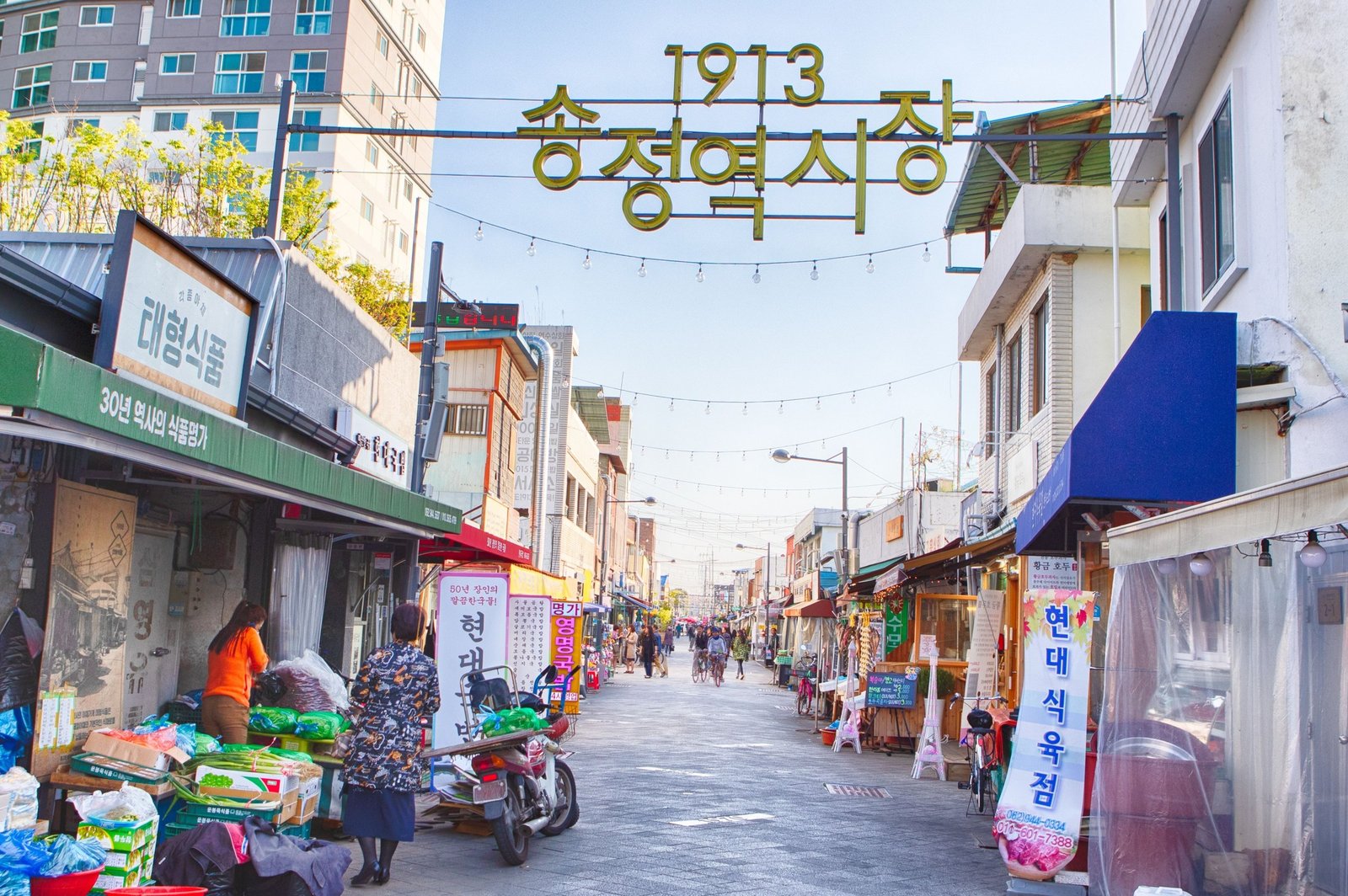
Featured photo: Shoppers under the sign of 1913 Songjeong Station Market, Gwangju. Photo: Kim Ji-ho, Korea Tourism Organization / KTO Photo Korea, KOGL Type 1.
At the 16th Gwangju Biennale, You Must Change Your Life, one ticket lets you walk back in up to five times in a day, and the show closes on November 15. Step out of the galleries to wander the alleys of Yangnim-dong’s Penguin Village and the cafés of Dongmyeong-dong, catch the media art that lights up the exhibition hall walls after dark, then end the day with Songjeong tteokgalbi: that’s a Gwangju trip right now.
In this story
At a glance
- Until when: Opened September 5, 2026; closes Sunday, November 15. Open Tuesday to Sunday, 10 a.m. to 6 p.m. (last entry 5:30 p.m.), closed Mondays (Gwangju Biennale website, October 2026).
- One ticket, five entries: On the day of your visit, the ticket holder can re-enter up to five times, and if you buy another ticket to see the show again on a different day, it’s 50% off (Munhwa Ilbo, Gwangju Maeil). Buy mobile tickets on NOL Ticket, 29CM or Naver Booking and enter with a QR code.
- Prices: Adults (19–64) 20,000 won (about $15.10), youth 10,000 won (about $7.50), children 7,000 won (about $5.30) (Gwangju Biennale website).
- If you want a guide: Docent tours leave every hour from 10 a.m. to 5 p.m. (seven a day, about 60 minutes) from the gallery entrance, first come, first served, no booking. If the times don’t work, scan the QR code at each gallery entrance for “Docent Q,” a multilingual AI guide (Munhwa Ilbo).
- What’s left: Closing programs of performances, workshops and screenings at the exhibition hall and Geosigi Hall on November 6–8 (advance sign-up closed October 29), and the “Biennale Light Festa” on the exhibition plaza at 7 p.m. on Saturdays, November 7 and 14 (Financial News, Newsworks).
- Getting there: From Seoul, the fastest KTX from Yongsan Station to Gwangju Songjeong Station takes about 1 hour 36 minutes, around 42,000 won (about $31.70) one way in standard class (fares revised September 2026, Naver blog). From Myeongdong, take Subway Line 4 to Seoul Station and Line 1 to Yongsan. From Incheon Airport, take the AREX train to Seoul Station and transfer, or take a direct airport limousine bus to Gwangju (about 4 hours). From Gwangju Songjeong Station to the exhibition hall, allow 30–40 minutes by taxi or city bus.
- Ticket perks: Show your ticket for discounts at some shops in 1913 Songjeong Station Market and up to 10,000 won off parking at Gwangju Airport (Gwangju Dream). Discounts vary by shop.
The exhibition hall is where everything starts.
Top 10 things to do in Gwangju
1. See the main exhibition in five visits (see)
The five galleries of the Gwangju Biennale Exhibition Hall are the heart of this edition. Rather than going bigger, the show tightens the links between works and the density of the experience, so many visitors come back instead of rushing through in one go, a docent on site said (Newsis, October 8). Familiar materials such as stone, sound, paintings and objects donated by citizens run throughout: volcanic bombs and lava stalagmites preserved by Jeju Stone Park, and instruments and sound devices made from metal that Gwangju residents gave away (Munhwa Ilbo).
- Something to taste, too: In the space introducing painter Heo Baek-ryeon (Uijae) and Mudeungsan’s Chunseol tea, you can actually drink the tea (Munhwa Ilbo).
- How to split it into five visits: Join the 10 a.m. docent tour for Galleries 1–2 → step out for lunch → Galleries 3–5 in the afternoon → back to the plaza after dark for the media art (No. 2). Re-entry is same-day, ticket holder only.
-
Time needed: About 60 minutes per guided tour; give yourself at least half a day for all five galleries.
-
Sources: Munhwa Ilbo, Newsis, one month in, Gwangju Biennale visitor info
2. Media art on the hall’s walls after dark, and Saturday’s Light Festa (night)
The exhibition hall opens one more time at night. Every evening from 7 to 9 p.m., media art plays across the building’s outer wall (Munhwa Ilbo), and on Saturdays at 7 p.m., Gwangju’s Buk-gu district hosts the “Biennale Light Festa,” a mix of media façade projections and performances on the plaza (four nights, October 24 to November 14).
- Remaining nights: November 7 brings a talk concert, poetry reading, traditional dance and a film screening; November 14 closes with balloon art, magic, a bubble show, a flash mob and a dance musical (Newsworks, Namdo Ilbo, October 22).
- Price: It’s a plaza event, free to watch.
- Tip: The plaza is right in front of the hall, so finish your afternoon visit around 5:30, have dinner and come back at 7. November evenings are chilly, so bring a jacket.
- Sources: Newsworks, October 22, Namdo Ilbo, October 22
3. Yangnim-dong’s pavilions and Penguin Village alleys (walk)
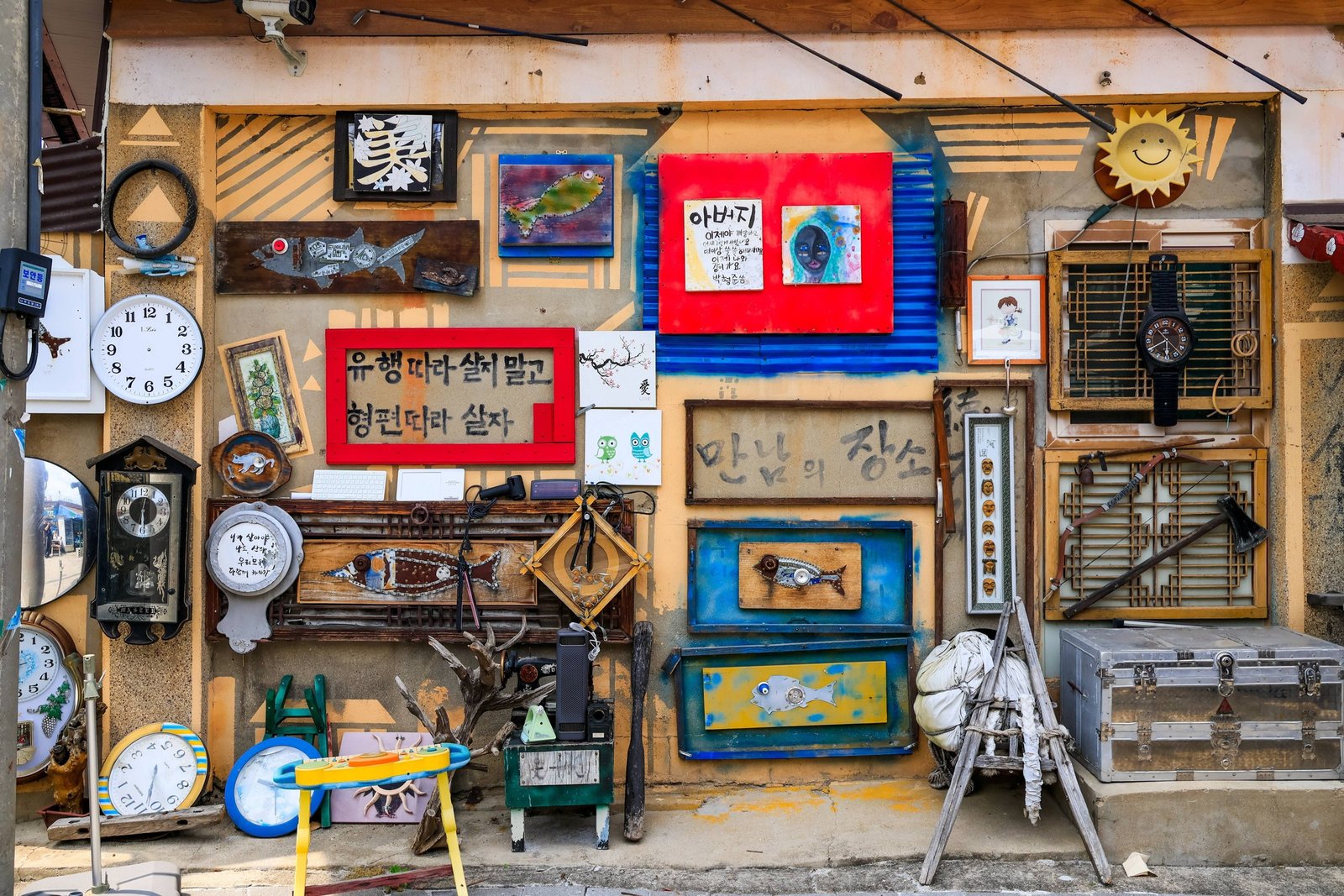
The Biennale spreads beyond the hall into pavilions (special exhibitions by country and institution) around the city, and about ten of them cluster in Yangnim-dong. Docent-led “pavilion tours” walk through Yangnim-dong venues such as the Lee Jang-woo House and the Lee Kang-ha Art Museum (Munhwa Ilbo), and most pavilions are free (Naver blog 2026). Right next door, Penguin Village is a craft street of workshops and alleys whose walls are decorated with old clocks, pots and picture frames.
- Tip: Park at the Yangnim History and Culture Village public lot and walk. The alleys are narrow and hilly, so wear comfortable shoes.

A 4K walk through the neighborhood:
The clock wall is the photo everyone takes.
4. Free exhibitions at the Asia Culture Center (ACC) (see)
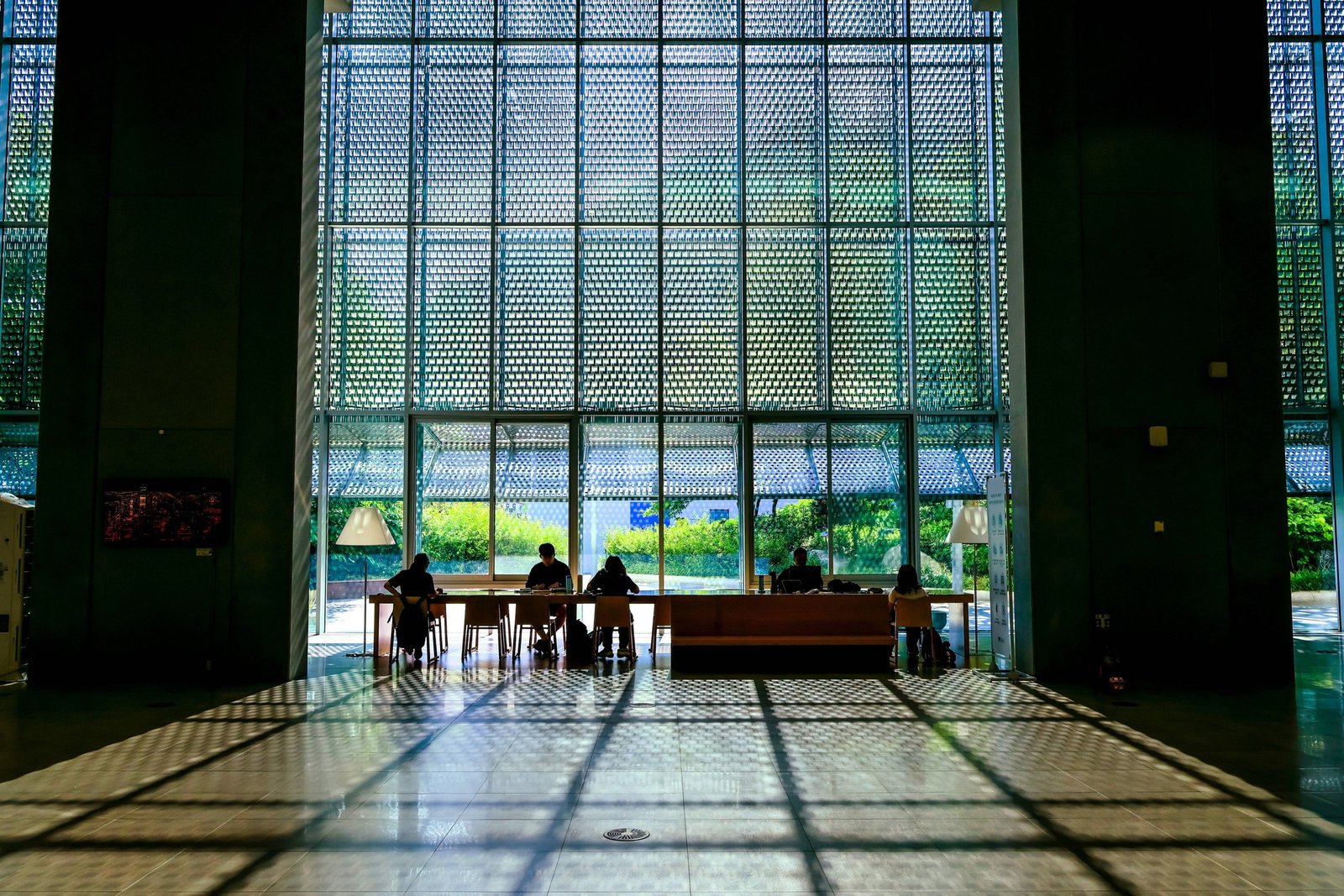
A huge cultural complex built underground in the middle of downtown Gwangju. Permanent exhibitions such as the Asian Culture Museum are generally free, and the ACC Archive & Research and ACC Creation buildings stay open until 8 p.m. on Wednesdays and Saturdays (ACC Foundation). The sunken garden flooded with light and the glass corridors are photo spots in their own right.
- Closed: Mondays and January 1. It closes on the same day as the Biennale, so avoid a Monday trip to Gwangju.
- Tip: A free downtown tour that pairs with the Biennale (the May 18 Archives, Jeonil Building 245 and more) runs through November 15 (Munhwa Ilbo).
- Sources: ACC Foundation visitor info
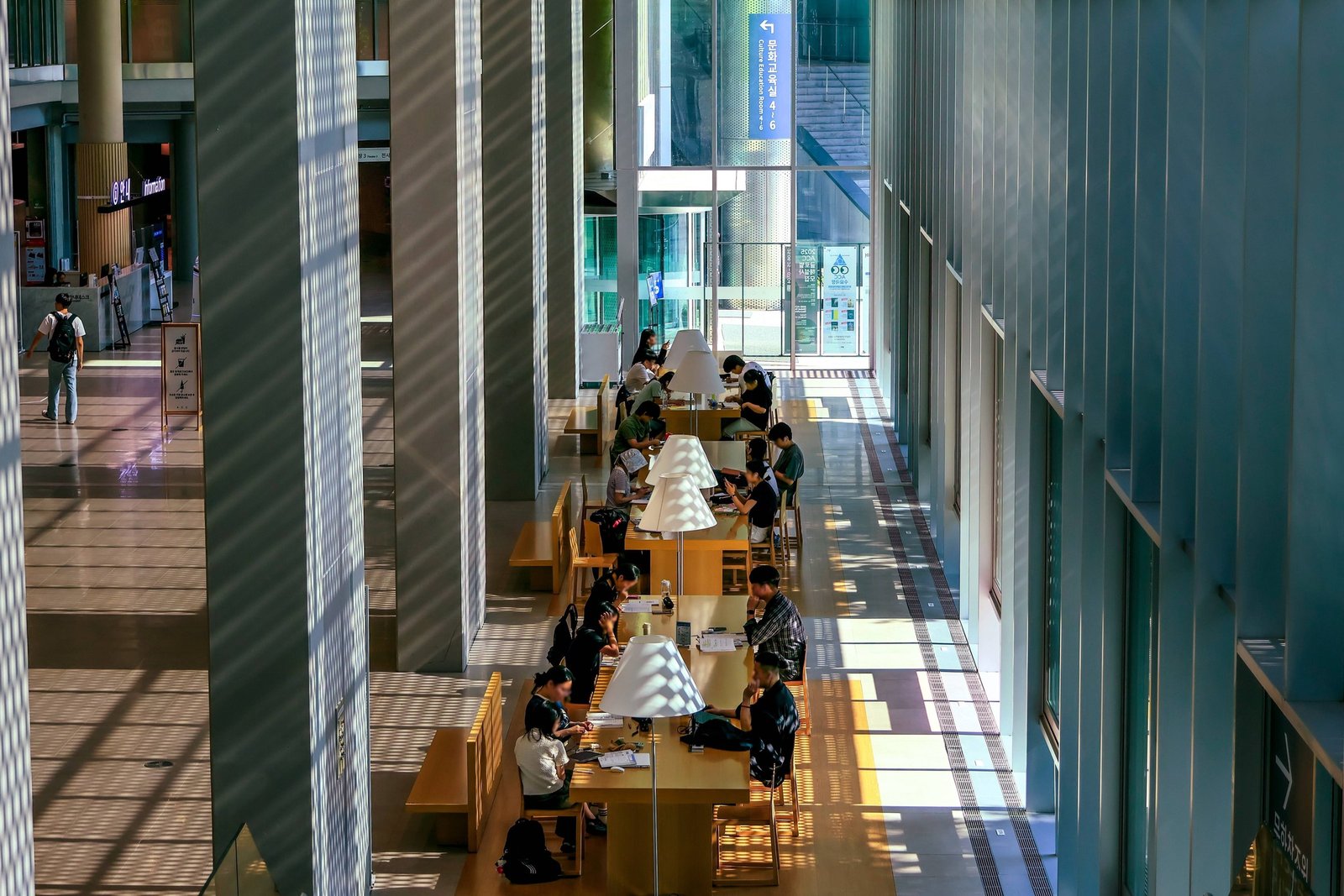
5. Dongmyeong-dong’s café street, “Dongridan-gil” (eat)
Right behind the ACC, Dongmyeong-dong is a café neighborhood nicknamed “Dongridan-gil” after Seoul’s Gyeongnidan-gil. Cafés and dessert shops fill renovated old houses from what was a wealthy district in the 1970s to 1990s (Naver blog 2026).
- Tip: ACC → Dongmyeong-dong cafés → Chungjang-ro (No. 6) are all within a 10–15 minute walk of each other.
- Sources: Dongmyeong-dong café street
6. Chungjang-ro’s K-pop Star Street and J-Hope’s “Hope World” (K-pop star moment)
Gwangju is the city where BTS’s J-Hope was born and raised. On Chungjang-ro’s “K-POP Star Street” stands J-Hope’s “Hope World” sculpture with a heart-shaped guestbook booth, and a Milky Way-themed rest area and LED screens along the street feature other K-pop stars too (Mudeung Ilbo, Naver blog 2026). Photo walls written in several languages draw many overseas ARMY.
- Tip: Fan visits are frequent enough that the Gwangju Tourism Organization runs a “Hope Day Tour” around J-Hope’s birthday, February 18 (Jeonnam Ilbo). The street sculptures can be seen 24 hours a day.
7. Snacks at 1913 Songjeong Station Market (eat)
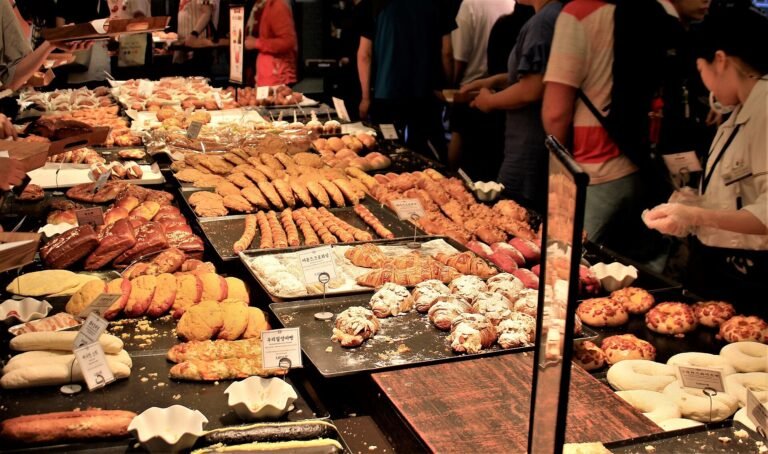
A renovated version of a market that opened in 1913, 1–3 minutes’ walk from Exit 2 of Gwangju Songjeong Station. A short lane of 73 shops packs in gukbap restaurants, Gwangju-style sangchu twigim (fritters you wrap in lettuce) and dessert shops, so it’s an easy stop before or after the KTX (Naver blog 2026).
- Tip: The public parking tower is open 24 hours, maximum 6,400 won (about $4.80) a day. Some shops give a discount if you show your Biennale ticket (Gwangju Dream).
- Sources: 1913 Songjeong Station Market
8. The Songjeong tteokgalbi street (eat)
About 500 meters from the market, tteokgalbi restaurants line the streets of Songjeong-dong. Minced beef and pork are shaped into rib-like patties and grilled over charcoal, and many places serve two pieces (about 250 g) per portion (Naver blog 2026).
- Price: A classic portion runs about 18,000 won (about $13.60); Hanwoo beef tteokgalbi costs more (Naver blog 2026). Prices vary by restaurant.
- Where: Songjeong Tteokgalbi No. 1 (1 Gwangsan-ro 29beon-gil, 9:30 a.m.–9:30 p.m., a designated “100-year shop”), among others.
- Tip: Weekend lunch lines are long. Time it to your train and go around 11 a.m. or between 3 and 5 p.m.
- Sources: Songjeong Tteokgalbi No. 1, portion prices
9. Yangdong Market fried chicken (eat)
In the fried chicken alley of Seo-gu’s Yangdong Market, two shops facing each other, Yangdong Tongdak and Suil Tongdak (open since 1972), have long competed with old-style whole chicken fried in cast-iron cauldrons. The skin is thin and crisp and the portions are big enough that two people can share a half (Naver blog 2026).
- Price: Fried, whole 23,000 won (about $17.40), half 15,000 won (about $11.30); sweet-spicy sauced 25,000 won (about $18.90) (Naver blog, October 2026).
- Tip: Use the public parking lots near the market. Plenty of people take it back to their hotel.
10. Duck soup on Yu-dong’s Duck Street (eat)
Gwangju’s local specialty oritang is a thick duck soup loaded with ground perilla seeds and topped with a mountain of water dropwort (minari). Near Gwangju Station in Buk-gu, Yu-dong has a “Duck Street” of oritang restaurants. Dip the minari in a perilla and chili-vinegar sauce, then finish by stir-frying or stirring rice into the leftover broth (Naver blog 2026).
- Price: At Yeongmi Oritang’s main branch (126 Gyeongyang-ro, Buk-gu), a whole duck is 61,000 won (about $46.10), a half 39,000–41,000 won (about $29.40–$31), open 11 a.m.–9 p.m. (Naver blog 2026). A half feeds two to three.
- Tip: Extra minari costs extra at many places, so ask first.
- Sources: Yeongmi Oritang menu and prices
Nearby
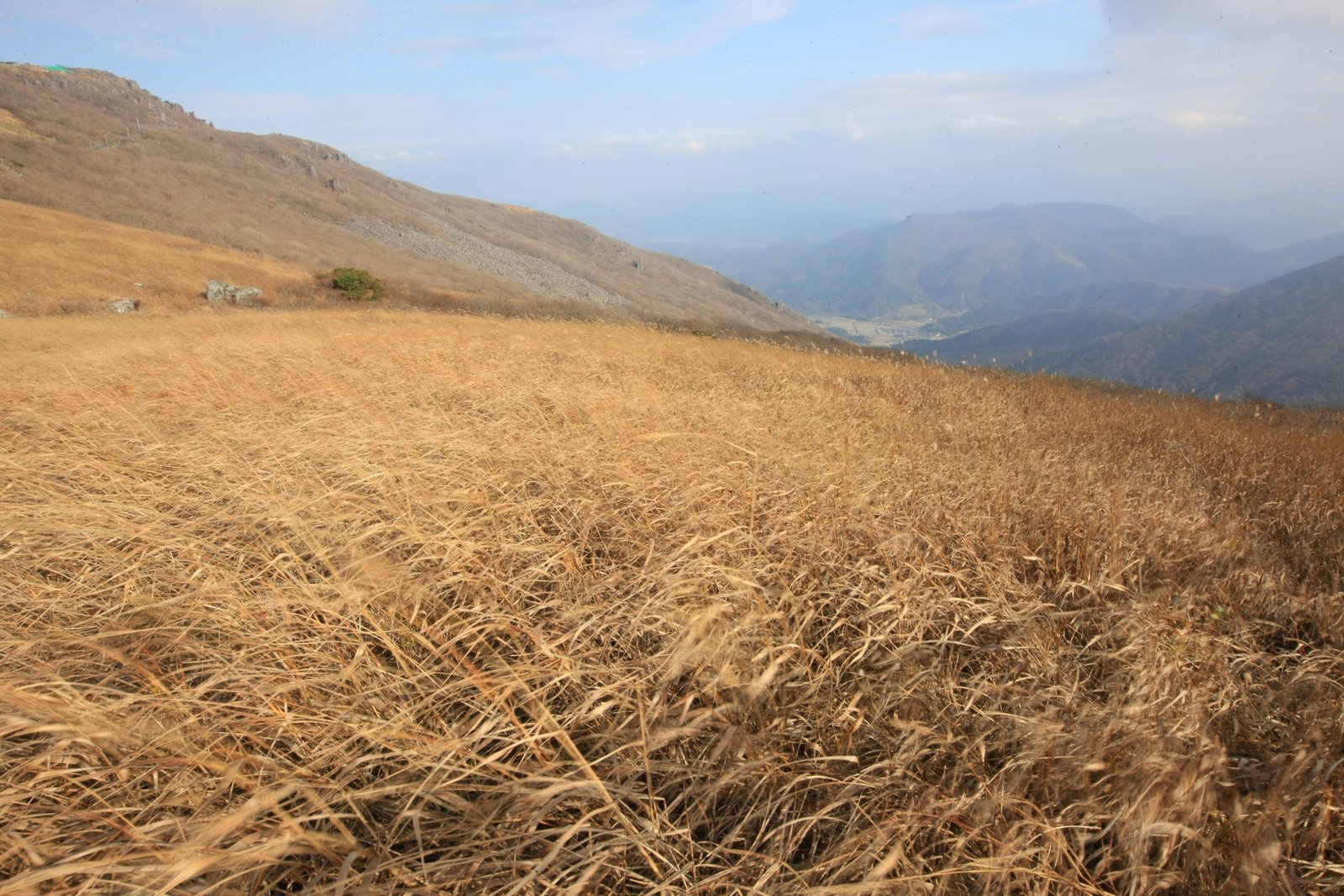
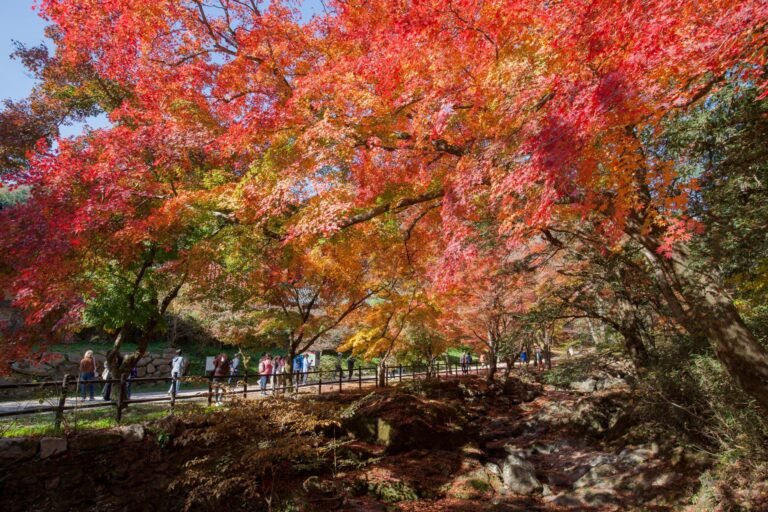
- Mudeungsan’s Jeungsimsa Temple and Seoseokdae: A national park you can reach by city bus. Just walking around Jeungsimsa Temple gets you fall foliage, and if you climb past Jangbuljae to Seoseokdae, columnar rock cliffs and silver-grass ridges open up. There’s no park entrance fee, and private forecasts put this year’s foliage peak around November 6 (Naver blog 2026, citing Weather i).
- Daein Art Night Market: Food trucks, a seller market and buskers take over the lanes of a traditional market. Season 4 runs on Saturday, November 7, from 4 to 9 p.m. (Naver blog, October 2026), within walking distance of Chungjang-ro.
-
Damyang’s Juknokwon bamboo forest: About 30–40 minutes by car from Gwangju.
-
Sources: Mudeungsan foliage 2026, Daein Art Night Market Season 4
Where to stay
Gwangju’s Biennale hall (Buk-gu), old downtown (Chungjang-ro and the ACC in Dong-gu) and KTX station (Songjeong in Gwangsan-gu) are spread out. If you’re walking all day, stay near Chungjang-ro; if you’re driving, Sangmu district is easier. Prices are from booking-site searches and blog reviews and vary a lot by date.
| Hotel | Area | Per night (approx.) | Why |
|---|---|---|---|
| L7 Chungjang by Lotte | Chungjang-ro, Dong-gu | about $150 | Walk to the ACC, Dongmyeong-dong and Hope World |
| Holiday Inn Gwangju | Sangmu district, Seo-gu | $103–$168 (Tourvis, checked October 30) | Big chain; about 20 minutes by car to both Songjeong Station and the Biennale |
| Brib Gwangju by Lotte Hotel (formerly Ramada Plaza Gwangju) | 700 m from Sangmu Station, Seo-gu | about $98 on weekdays | 10-minute walk to the subway, near Yeongmi Oritang’s Sangmu branch |
| Hotel Lil | Sangmu district, Seo-gu | under $75 | A new budget business hotel opened in 2026, with luggage storage |
| Easy Stay Hotel | Sinan-dong, Buk-gu (near Gwangju Station) | from $38 | Close to Duck Street and the Biennale hall |
| Hotel Yeogi Eottae Chungjang-ro | Dong-gu | $20–$23 | The cheapest bed in the middle of Chungjang-ro |
A sample day (day trip from Seoul, Saturday)
- Morning: KTX from Yongsan → Gwangju Songjeong Station → a quick breakfast at 1913 Songjeong Station Market (No. 7)
- Late morning: Biennale Exhibition Hall, Galleries 1–2 with the 10 a.m. docent tour (No. 1)
- Lunch: Taxi to Yangnim-dong → pavilions and Penguin Village (No. 3)
- Afternoon: Back into the hall for Galleries 3–5 and Chunseol tea (No. 1)
- Evening: Media art and the Light Festa at 7 p.m. (No. 2) → Songjeong tteokgalbi (No. 8) → KTX home from Gwangju Songjeong
- If you stay the night: Day two, ACC (No. 4) → Dongmyeong-dong (No. 5) → Hope World on Chungjang-ro (No. 6) → Yangdong fried chicken (No. 9) or duck soup (No. 10), plus Jeungsimsa on Mudeungsan in foliage season
After November 15, the five galleries empty out, and the next Gwangju Biennale is two years away. Until then, what stays in Gwangju is the smoke of Songjeong-dong’s tteokgalbi and the clocks on Yangnim-dong’s walls.
Read next
Trending on Seol Notes
- Kim You-jung Cracked Japan Despite the 'Anti-Japan Drama' Label
- The Emperor of K-pop Came Back, and Korea Flipped
- Ae-sun Left the Baeksang Empty-Handed. Then She Spoke: IU
- The No. 1 Korea Doesn't Want to Believe: Why Fans Doubt A2O
- Teachers Get Reported for It. Korean Folk Village Ghosts Get Cheered.
Sources
- Gwangju Biennale visitor info and prices, Munhwa Ilbo: re-entry, docents, media art, Gwangju Maeil: re-entry and discounts, Financial News: closing programs, Gwangju Dream: ticket perks, Newsworks: Light Festa, Newsis: visitor reactions, KTX fares, September 2026
- Photos: Korea Tourism Organization Photo Korea, KOGL Type 1 (photographer credited on each photo)
- Currency conversion: 1,324.6 won per dollar (Seoul FX base rate, October 23, 2026). Prices from Naver blogs and news reports may change.
Discover more from Seol Notes
Subscribe to get the latest posts sent to your email.