
Part 10 of 39 in Only Here: 39 Things You Can Only Do in Korea
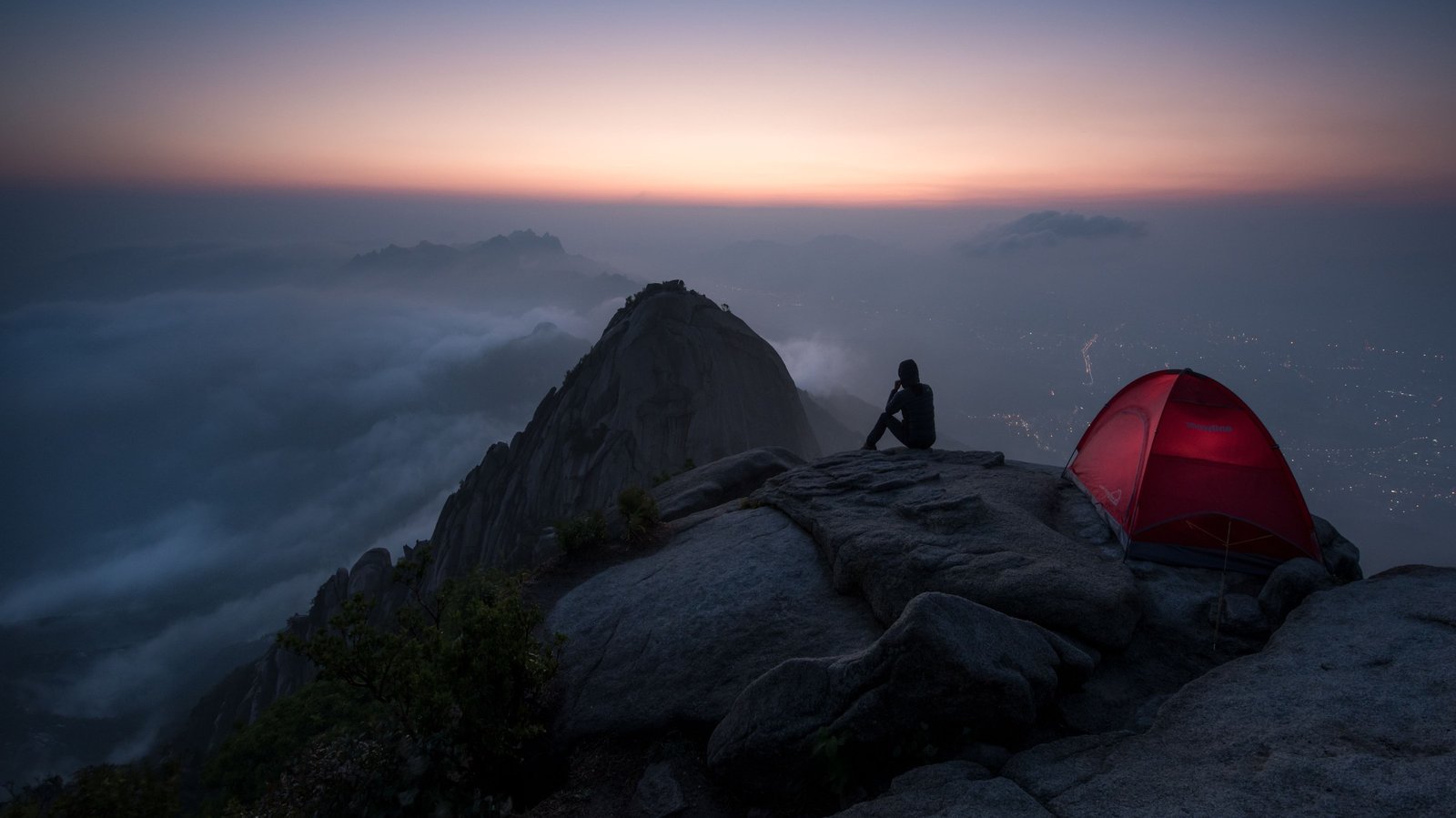
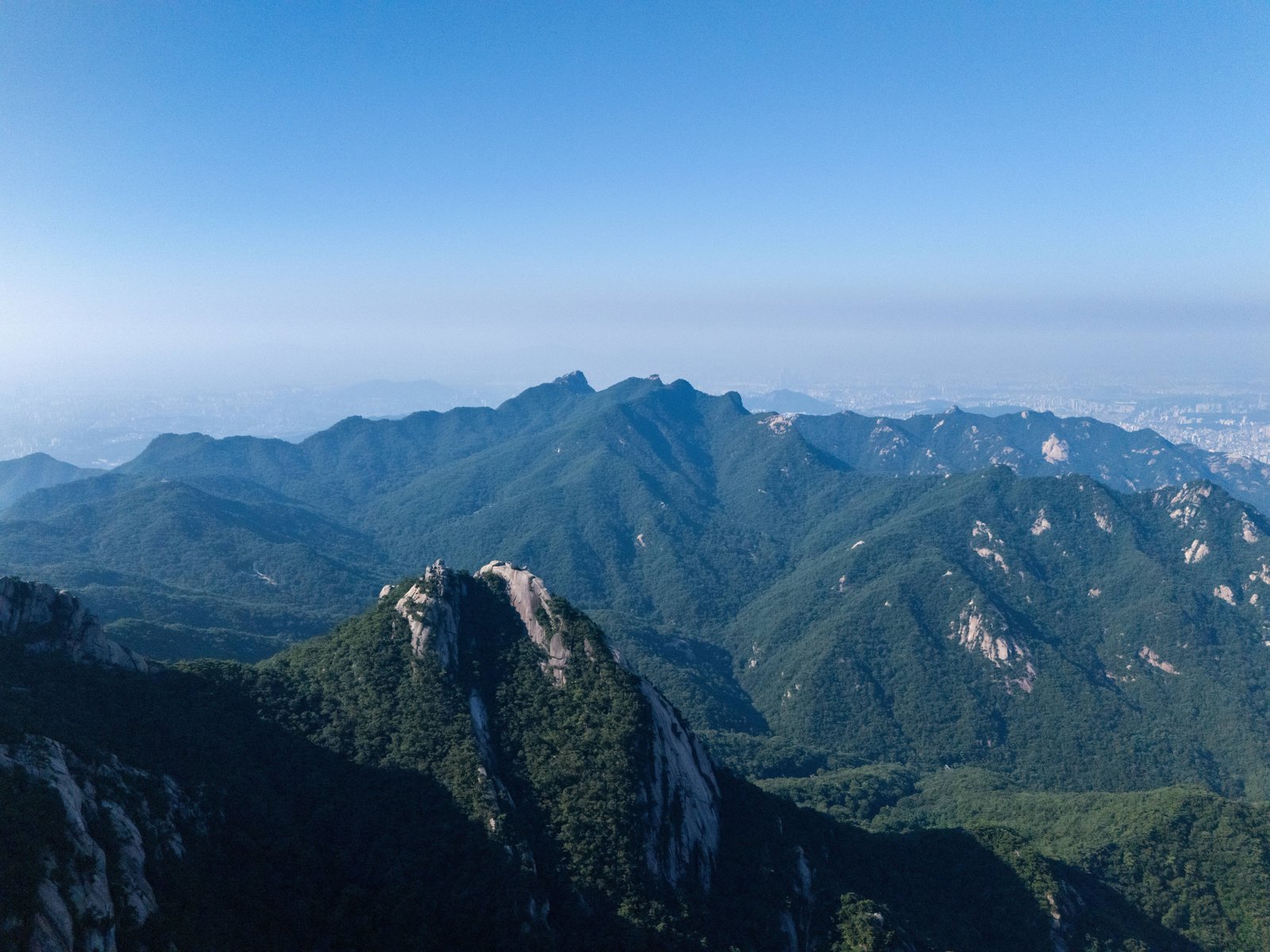
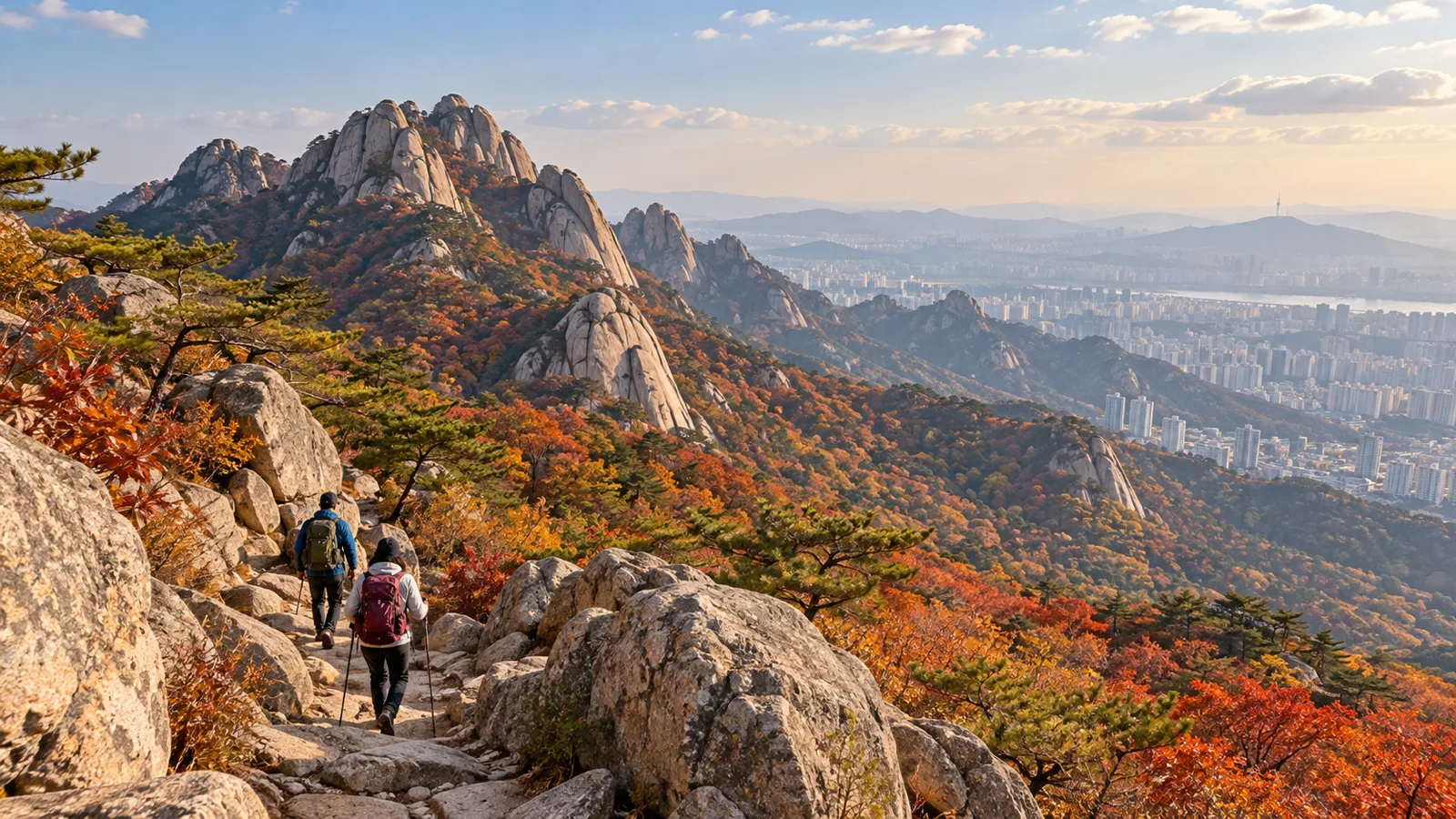
Get off at the last stop of the Ui-Sinseol Line, start walking, and in about two and a half hours you stand on Baegundae, an 836 m granite summit with all of Seoul below. Early November is foliage peak on the trail.
Featured photo: Park Byeong-gap / Korea Tourism Organization, KOGL Type 1
Only Here: 39 Things You Can Only Do in Korea · Part 10 · Seoul
View this post on Instagram
In this story
At a glance
- What: Ride the subway to the edge of Bukhansan, climb Seoul’s highest peak, Baegundae (836 m), and eat in Ui-dong or at the Bukhansanseong trailhead afterward.
- Routes: First time, pick one of two. The Ui-dong route (Bukhansan Ui Station, Doseonsa Temple, Baegun Ranger Station, Harujae Pass, Baegun Hut, Wimun Gate, Baegundae: 3.9 km, about 140 minutes) or the Bukhansanseong route (Bukhansanseong Ranger Station, Daeseomun Gate, Borisa Temple, Baegundae: 3.7 km, about 170 minutes) (Bukhansan National Park figures, via Bravo My Life). Go up from Ui-dong and down to Bukhansanseong to see the most foliage.
- Cost: Bukhansan National Park is free. Rent gear cheaply at the Seoul Hiking Tourism Center’s Bukhansan branch (₩2,200 for hiking boots, ₩1,100 for other items as of 2023; check current prices).
- Time: Four to five hours round trip. November days are short, so start by 10 a.m. at the latest. In November the sun sets in Seoul around 5:20 p.m.
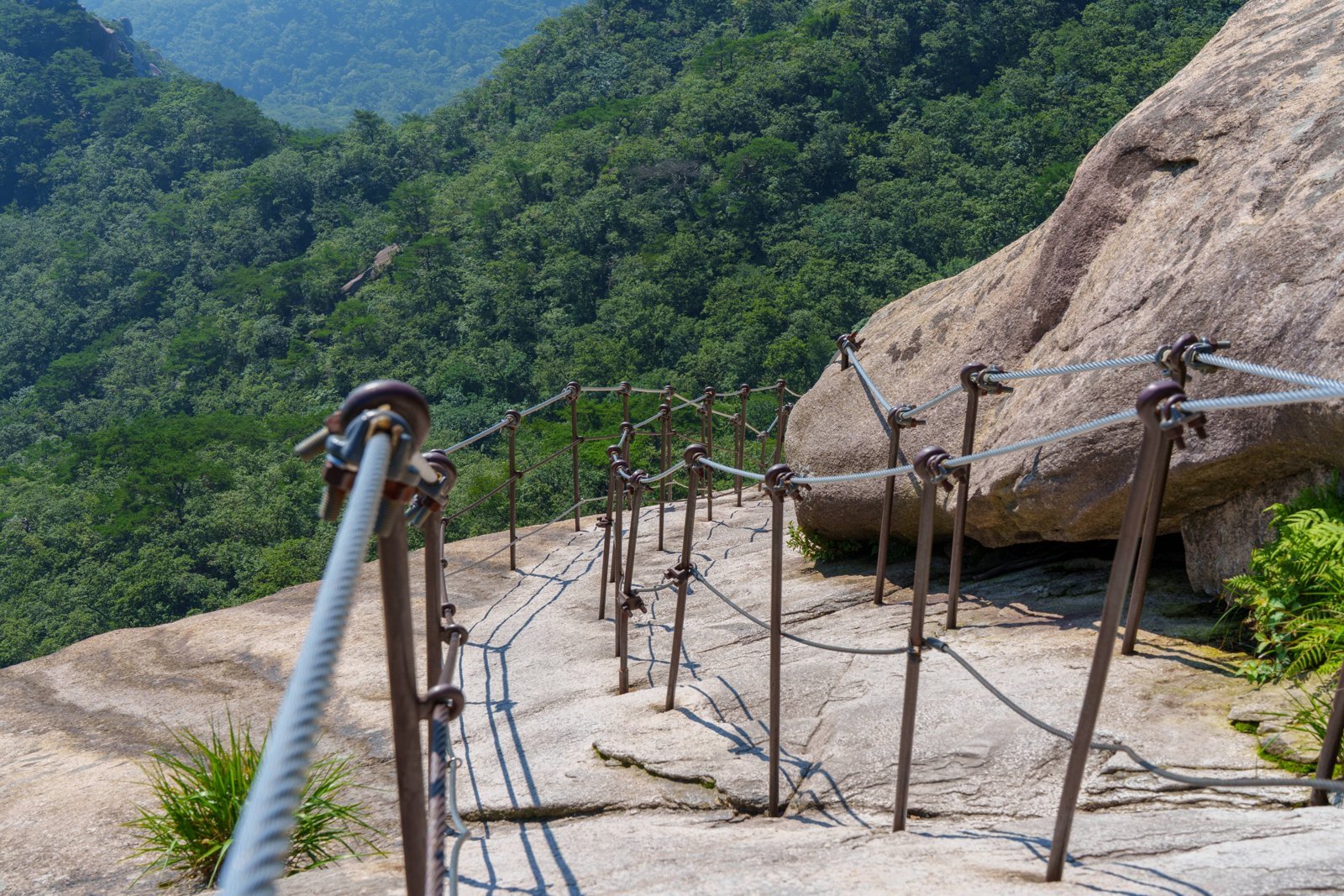
- Difficulty: Moderate. The rock section just below the summit is a steep climb holding a steel cable (Seoul Media Hub, April 16, 2026).
- Bring: Hiking shoes with good grip (sneakers slip on the rock), grippy gloves, a liter of water, snacks and a windbreaker. The summit is far colder than the trailhead.
- Check first: Before you go, check trail closures and weather on the Korea National Park Service website or by calling 120 (Seoul’s Dasan call center, English available). The rock is dangerous the day after rain or snow.
Also read: In Seoul, $25 Gets You Into a K-pop Choreographer's Studio: One-Day K-pop Dance Classes
Climbing Baegundae, done right
1. Rent gear near Exit 2 of Bukhansan Ui Station
Five minutes on foot from the station is the Seoul Hiking Tourism Center’s Bukhansan branch. It explains routes in English, Chinese and Japanese and rents boots, hiking clothes, poles and crampons to foreign visitors cheaply. Bring your passport and return everything by 4:30 p.m. Items can run out, so book online. Open Tuesday to Sunday, 9 a.m. to 6 p.m., closed Mondays (Seoul Media Hub); check before you go.
2. Pass Doseonsa and start the real climb at Baegun Ranger Station
From the center to Doseonsa Temple you walk up a road. The real trail starts in front of Doseonsa, and it’s fairly steep up to Harujae Pass (Seoul Media Hub, October 19, 2026). The foliage around Doseonsa is especially deep.
View this post on Instagram
3. Catch your breath at Baegun Hut
Baegun Hut, at about 650 m, was built in 1924 as Korea’s first mountain hut. It burned down in 1992, was rebuilt in 1998 with money raised by climbers, and is now a “forest museum” with a mountaineering history exhibit and a CPR training corner (Seoul Media Hub, October 19, 2026).
4. Pass Wimun Gate and climb the cable section
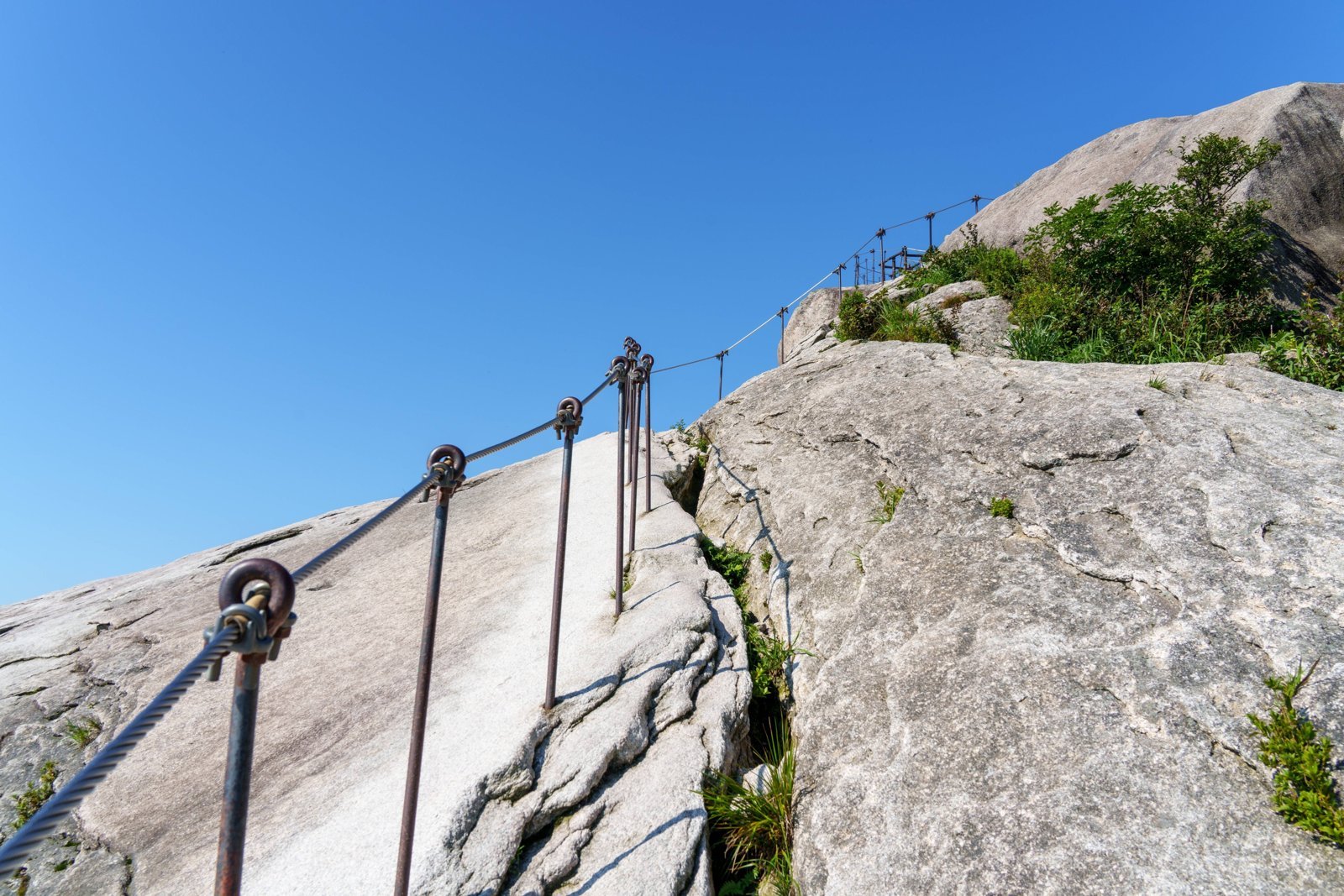
Past Wimun, a gate in the old fortress wall, a granite ridge runs to the summit. People go up one at a time holding the steel cable and railings, so give way to those coming down. On weekend mornings a queue forms here.
View this post on Instagram
5. Look down on all of Seoul from the top
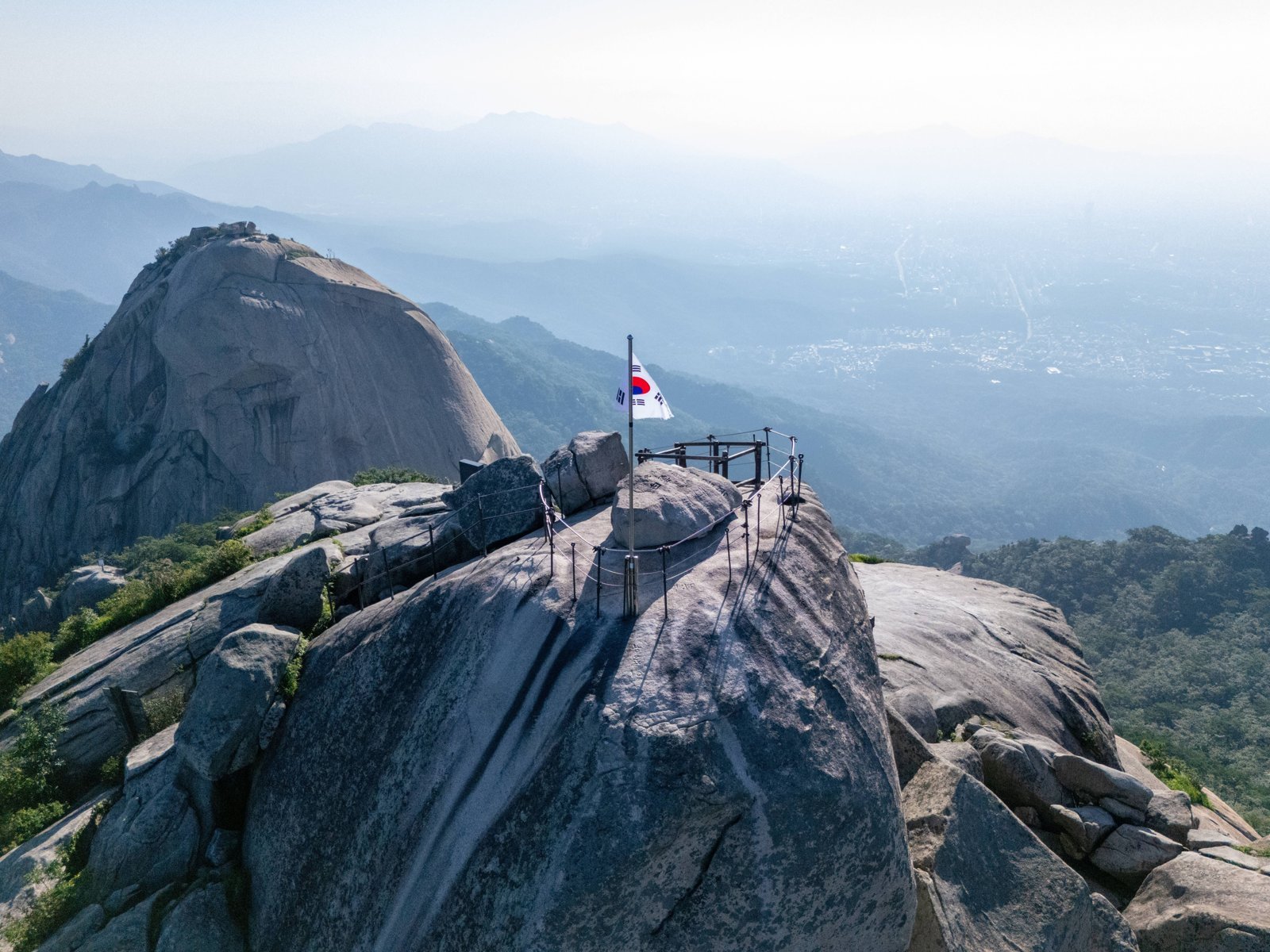
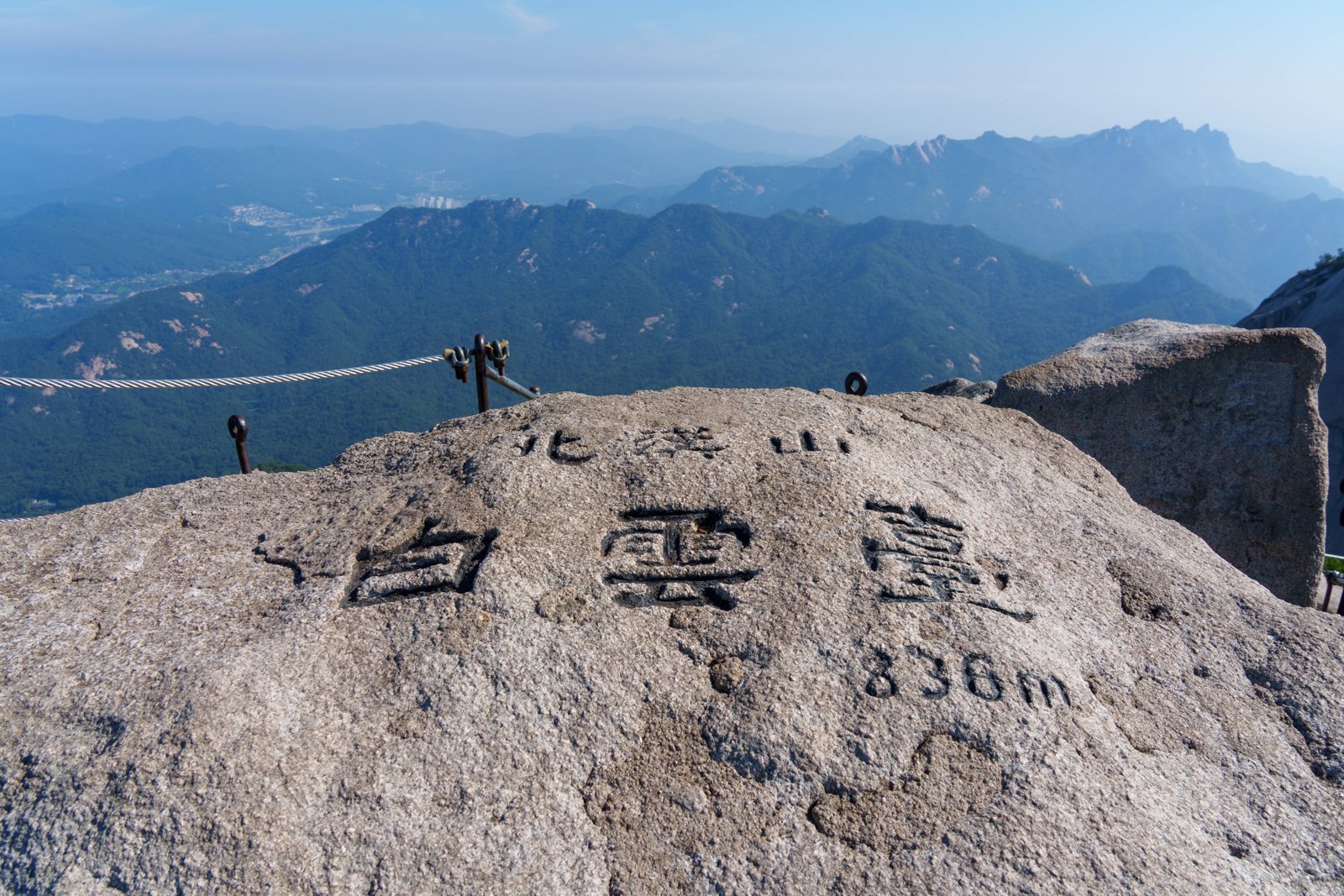
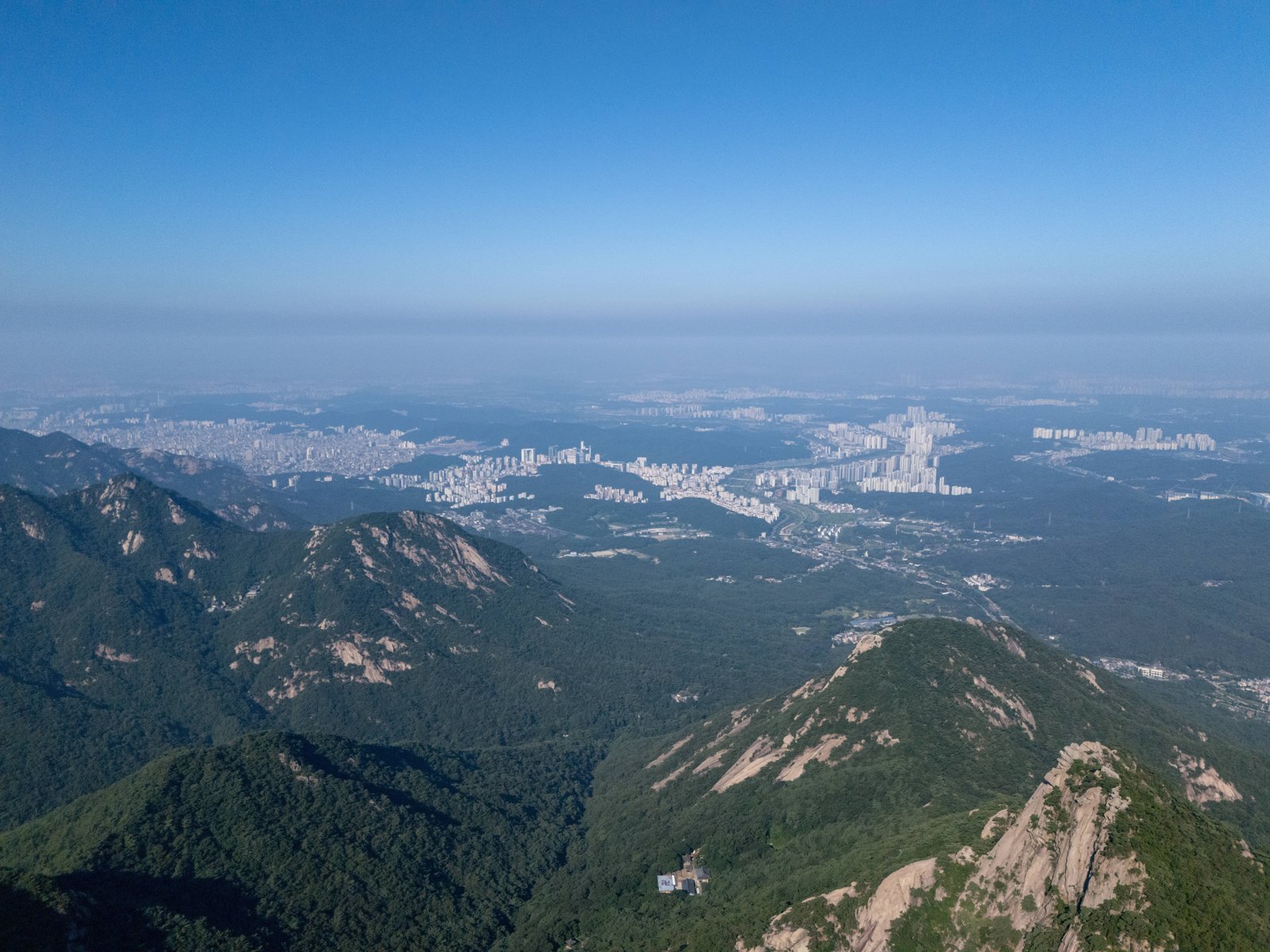
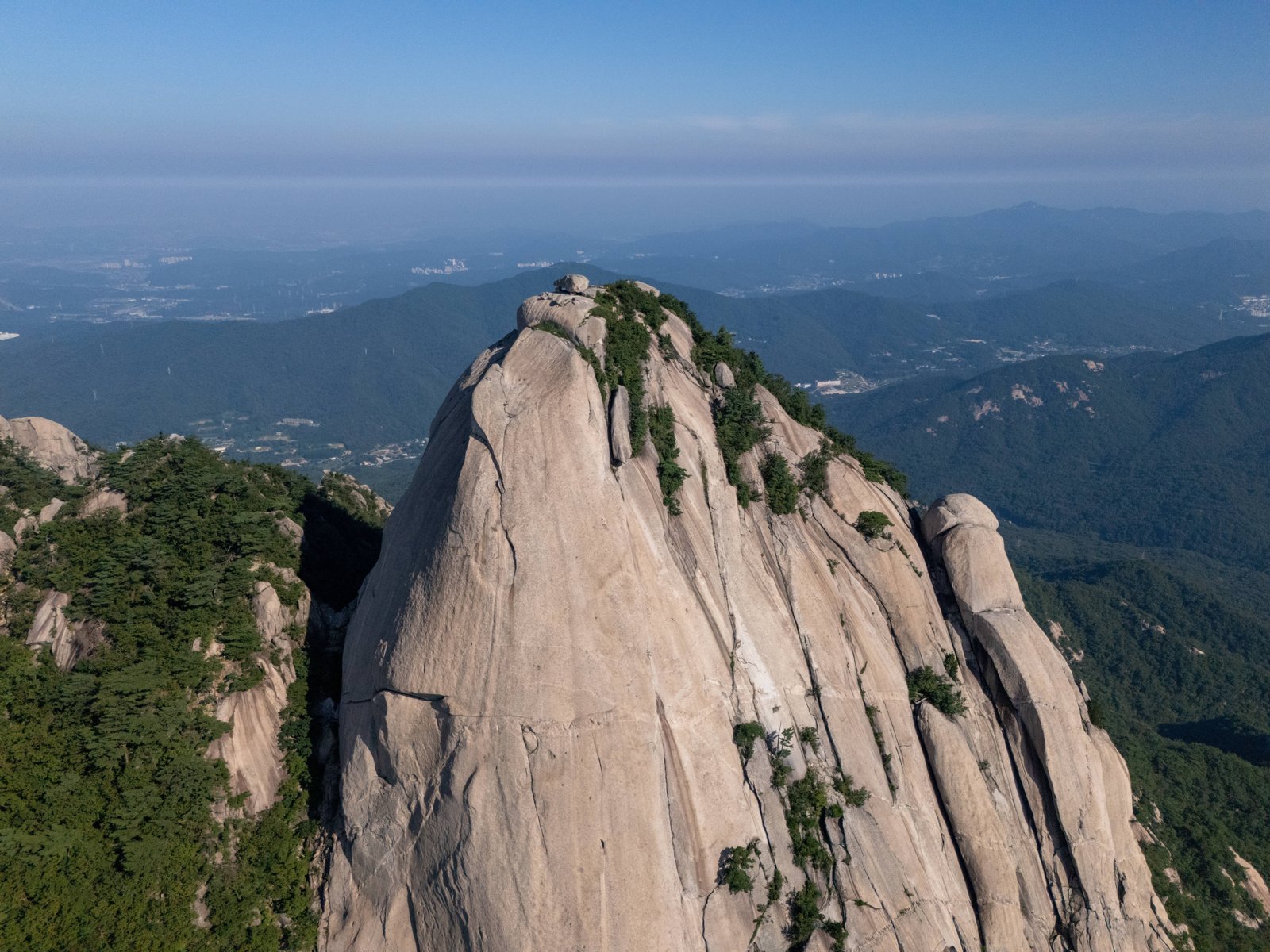
The summit rock is carved with “白雲臺 836m” and an inscription commemorating the 1919 March 1st Movement. On a clear day you can see N Seoul Tower, Lotte World Tower and the Han River. The peak right next door is Insubong, a pilgrimage site for rock climbers.
View this post on Instagram
6. Go down toward Bukhansanseong
Head from Wimun toward Bukhansanseong and you come down a valley trail full of foliage, through Daeseomun Gate, to Bukhansanseong Ranger Station. From there a bus takes 15 minutes to Gupabal Station on Line 3.
View this post on Instagram
Top 10 things to do on Bukhansan
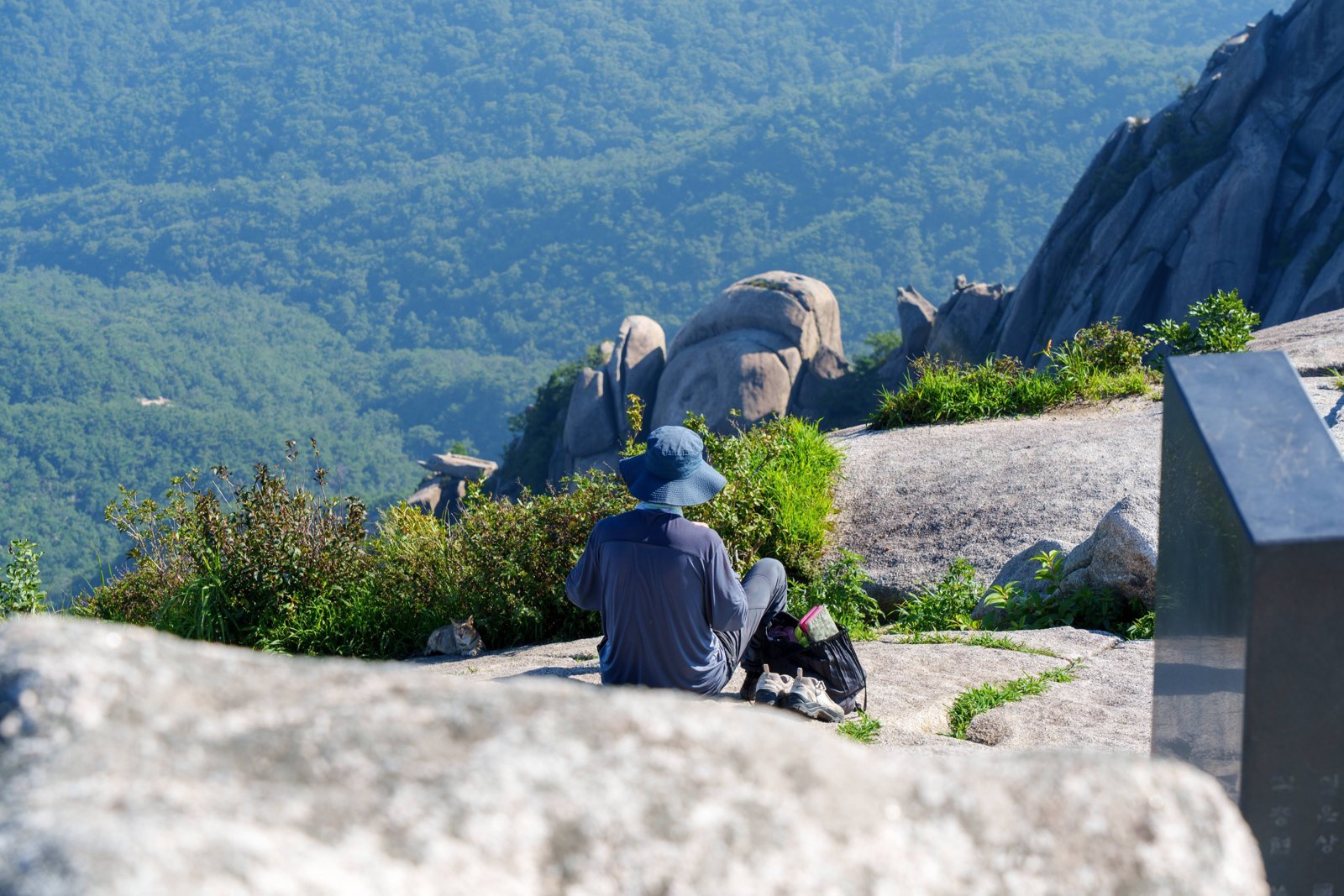
1. Stand next to the flag on Baegundae (experience)
The highest point in Seoul. The summit rock is small, so people take turns for photos.
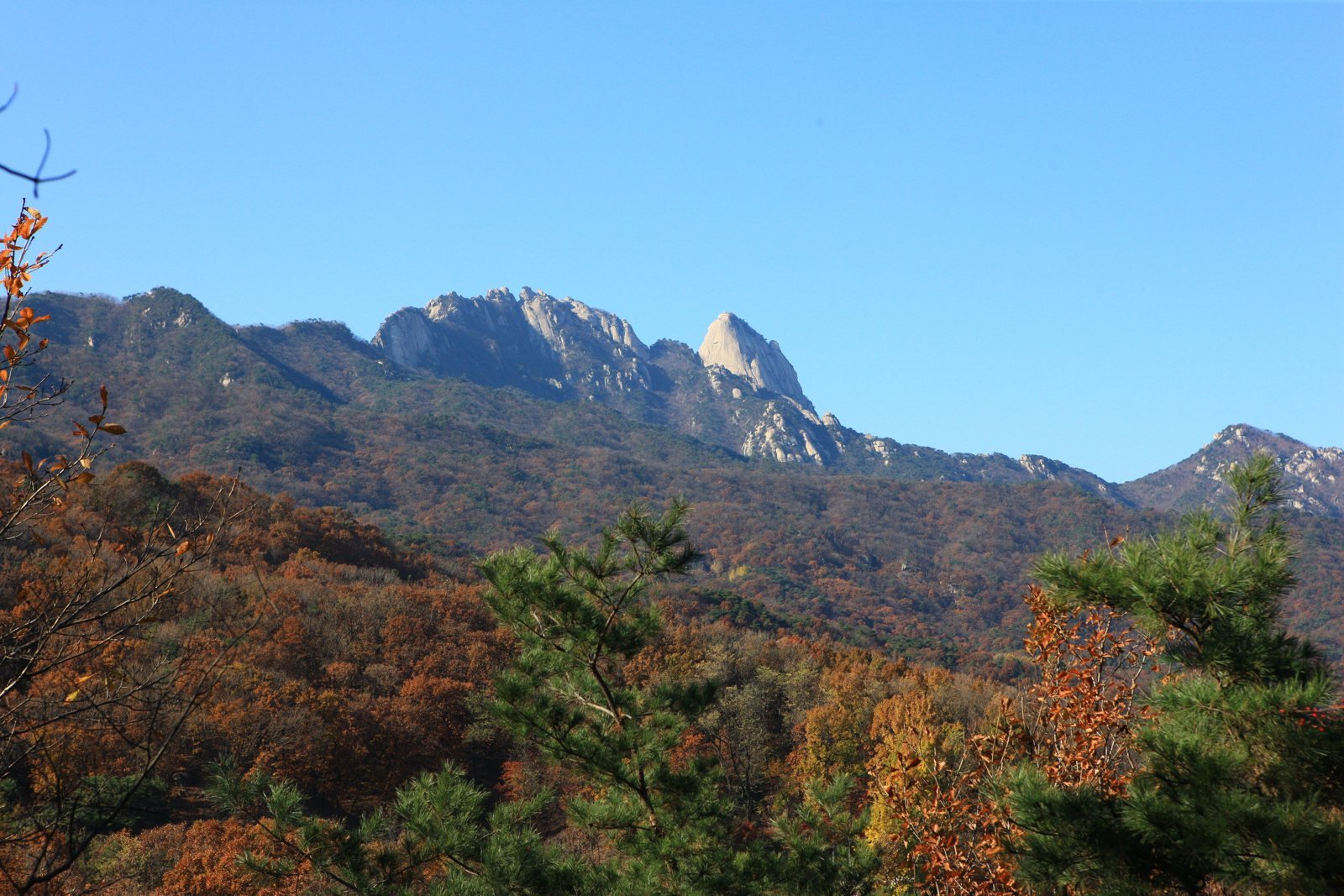
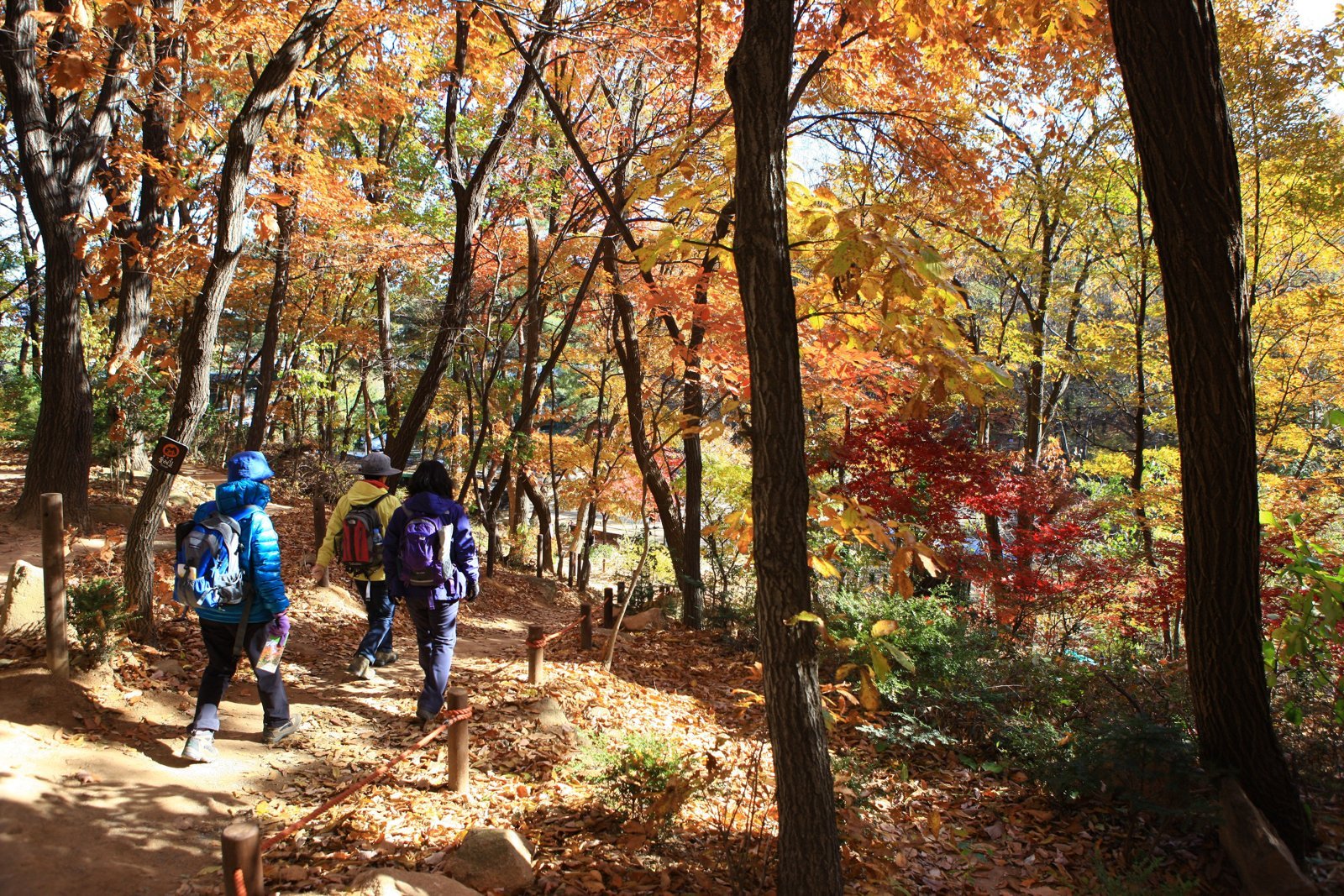
2. A foliage hike in the first week of November (see)
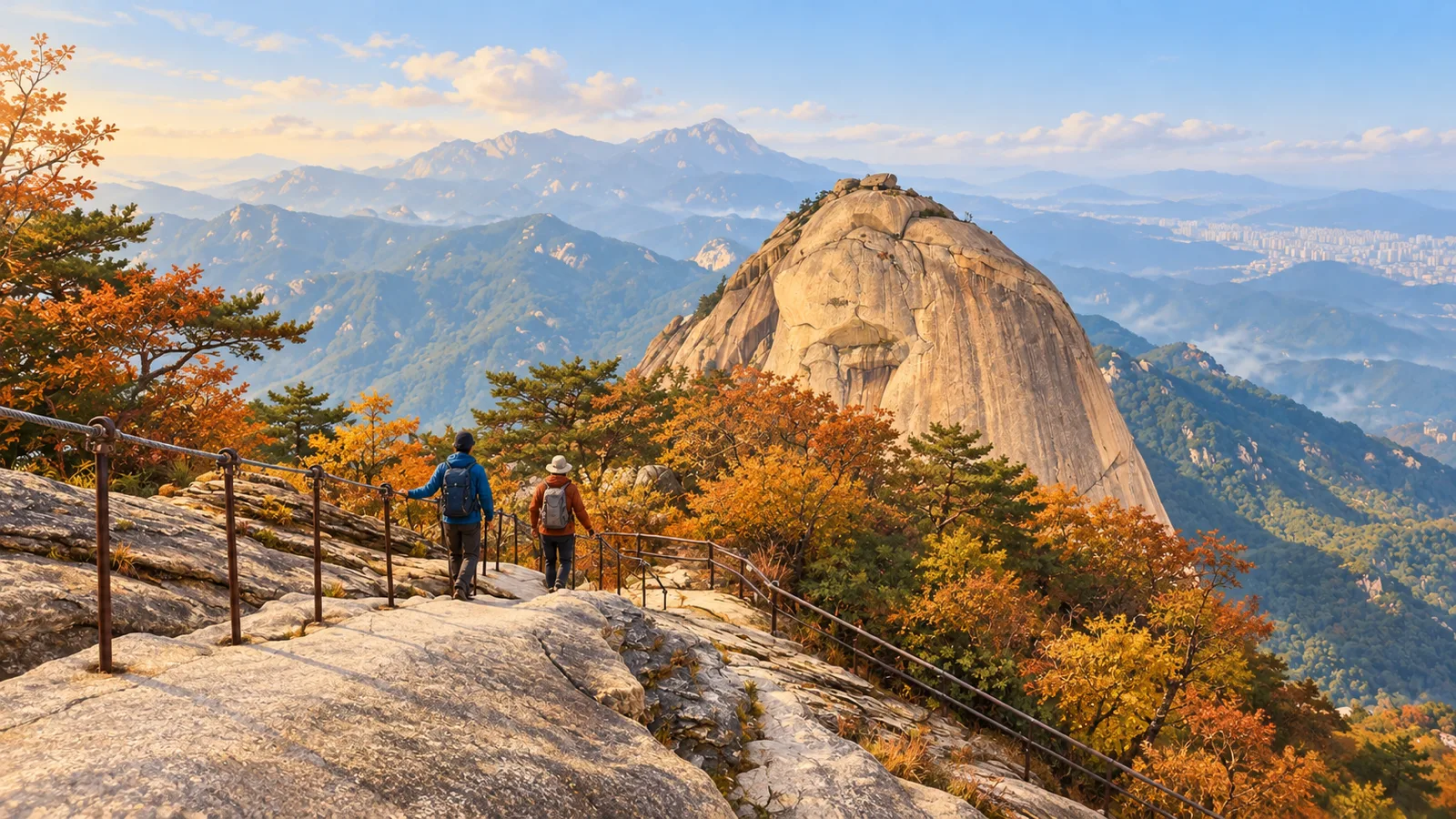
This year’s predicted foliage peak on Bukhansan is November 4. The high ground peaks in late October (Seoul Media Hub, October 19, 2026), while the valleys below and the Doseonsa and Bukhansanseong sides stay red into early November.
View this post on Instagram
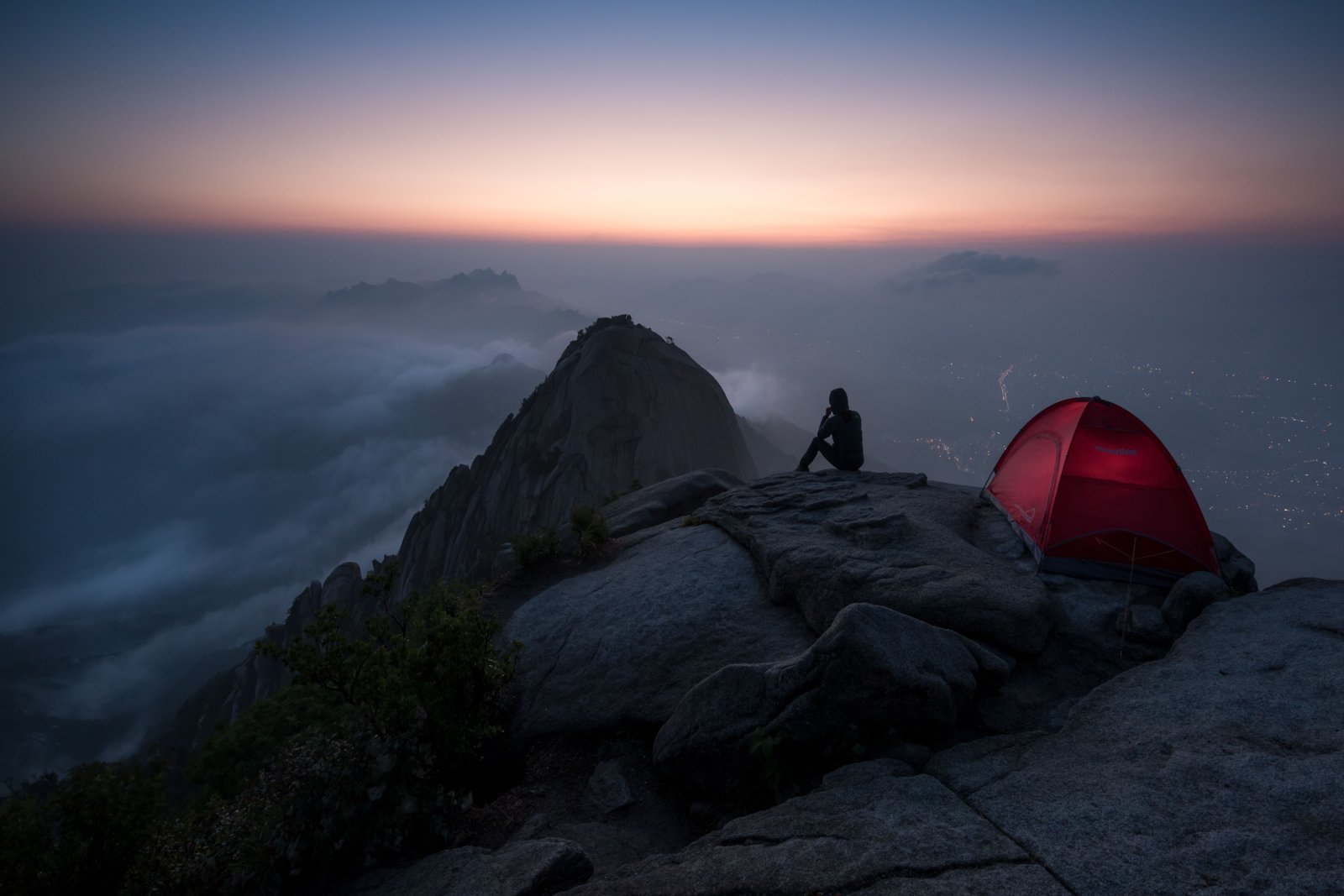
3. A sunrise hike (experience)
Starting around 4 a.m. to catch the sunrise at the summit has become popular with young Korean hikers. Seoul Hiking Week even ran a Baegundae sunrise hike as a program (Herald Economy, December 7, 2025). First time, don’t go alone; join a program or a group. A headlamp is essential.
View this post on Instagram
View this post on Instagram
4. Sunset at the Hidden Wall (photo spot)
North of Baegundae, Sumeunbyeok, the “Hidden Wall,” is a rock face whose foliage glows only at sunset. It’s become so well known that hikers joke it should be called the “Found-Out Wall” (@santa_eunna). Start from Bamgol Ranger Station; late afternoon to just before sunset is best (@gggongjooo). Work out your descent time before you go.
View this post on Instagram
View this post on Instagram
5. The Baegun Hut forest museum (see)
Korea’s first mountain hut, on this spot since 1924. A rest stop and a small museum in one.
6. Watch climbers on Insubong (see)
From the Baegundae summit, look across at Insubong and you’ll see helmeted climbers on vertical granite. If you want to try it yourself, look for Seoul’s hiking experience programs and climbing taster announcements (Seoul Media Hub).
7. Jingwansa Temple and Eunpyeong Hanok Village (see)
On Bukhansan’s west side are Jingwansa, a temple founded in the Goryeo era, and Eunpyeong Hanok Village, set against Bukhansan’s rocky ridges. On a non-hiking day, this is the prettiest way to see the mountain.
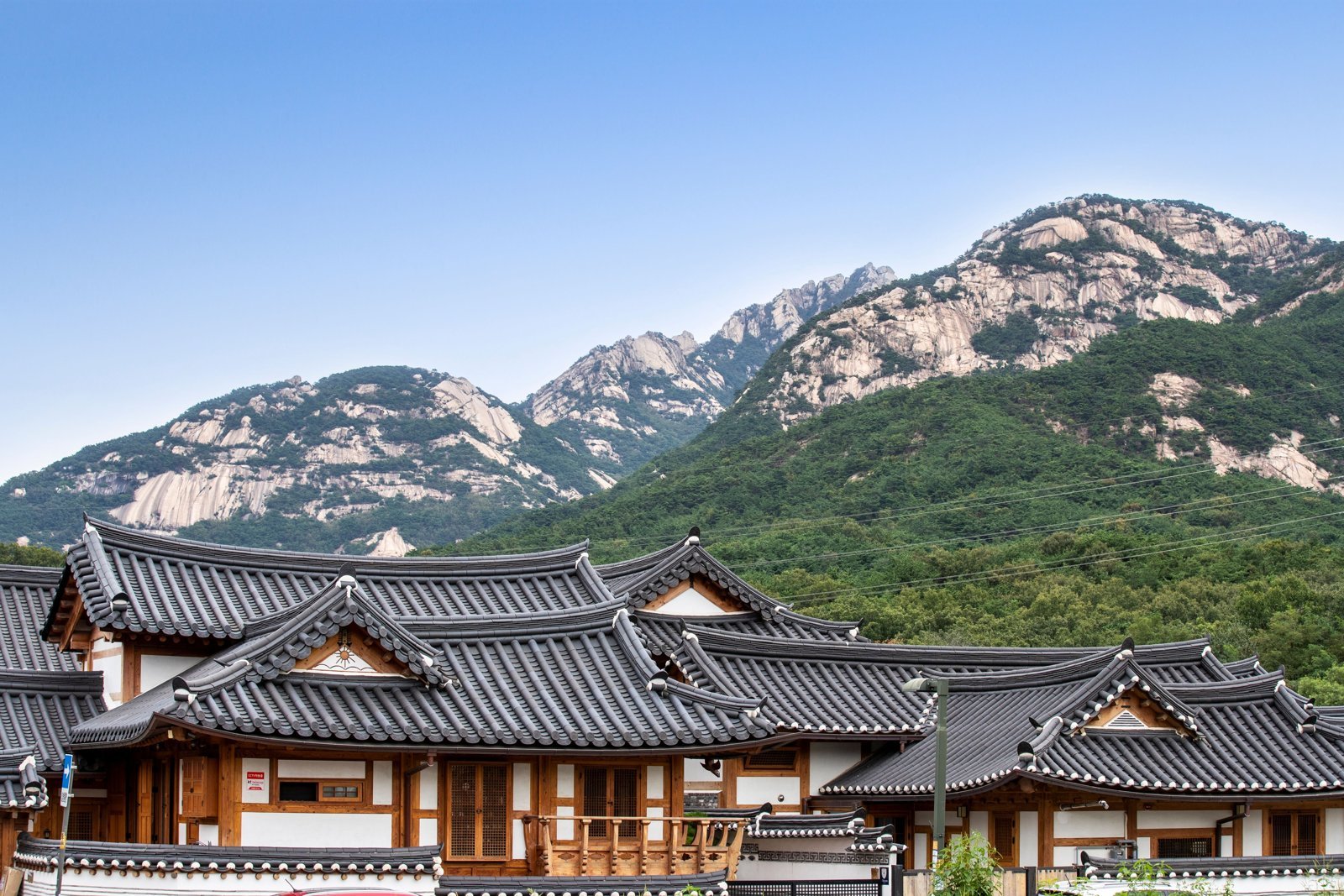
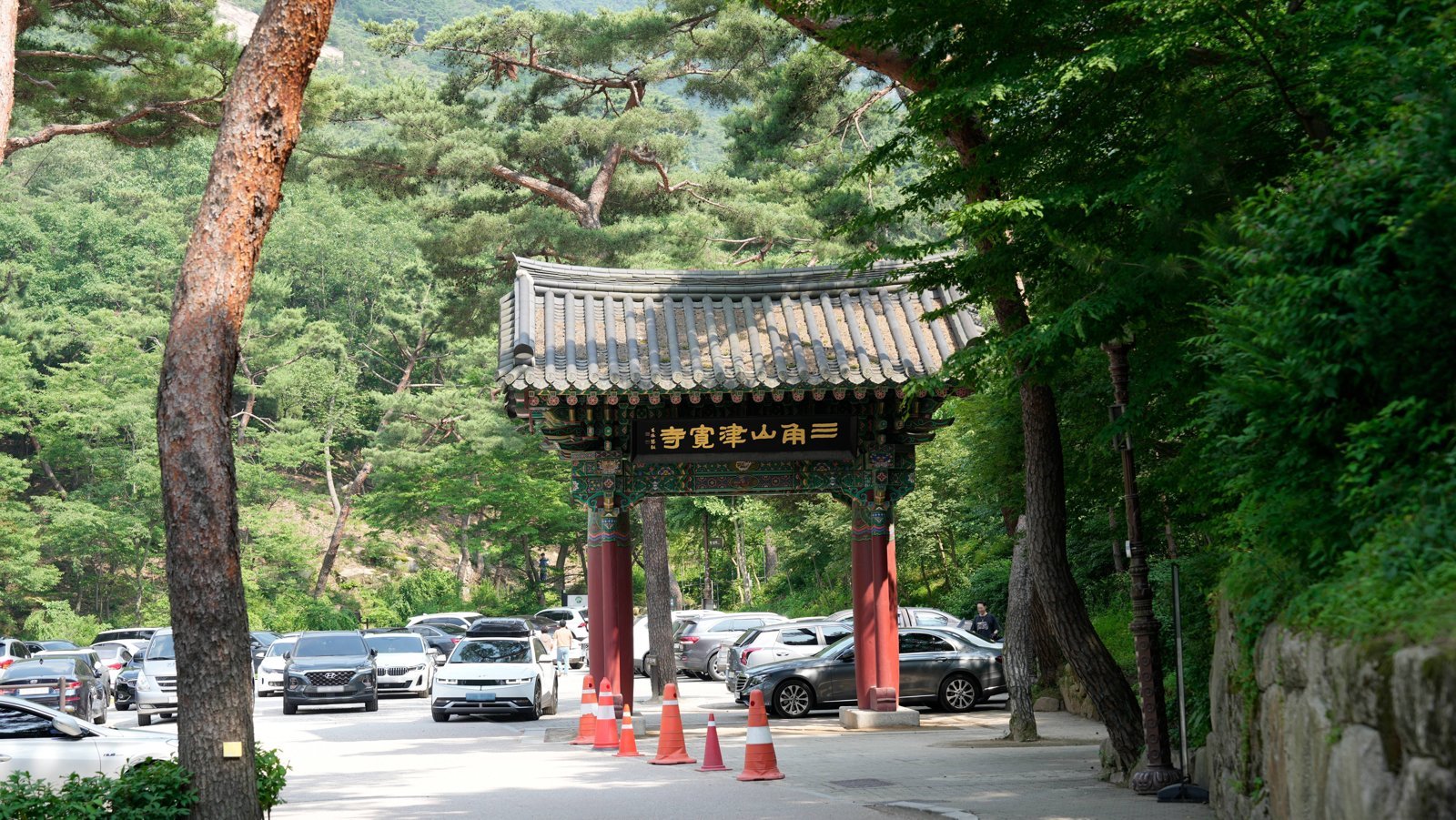
View this post on Instagram
8. A post-hike meal in Ui-dong (eat)
Come down to Ui-dong and you’ll find restaurants and cafés by the valley. Tofu with kimchi and mung-bean pancakes with a bowl of makgeolli, or a grilled-fish set meal, are the hiker classics. Places change, so go by recent reviews.
View this post on Instagram
9. Restaurants at the Bukhansanseong trailhead (eat)
Come down the Bukhansanseong side and restaurants with valley views line Daeseomun-gil. Manseokjang, known for its lettuce-wrap set meal, has been reported open daily 10:30 a.m. to 8 p.m.; check before you go.
10. The Bukhansan Dulle-gil (experience)
Not sure about the summit? The Bukhansan Dulle-gil circles the mountain’s lower slopes. Pick a section such as Uiryeong-gil or Solsaem-gil and one or two hours is enough to see plenty of foliage.
Nearby
- Suyu and the Ui-dong valley resort area: Right outside Bukhansan Ui Station. Cafés by the stream.
- National April 19th Cemetery: 4.19 Minju Myoji Station on the Ui-Sinseol Line.
- Changdeokgung and Jongno: Ui-Sinseol Line, then Line 1 from Sinseol-dong. The Changdeokgung Secret Garden is Part 3; the Jongno 3-ga street pochas are Part 1.
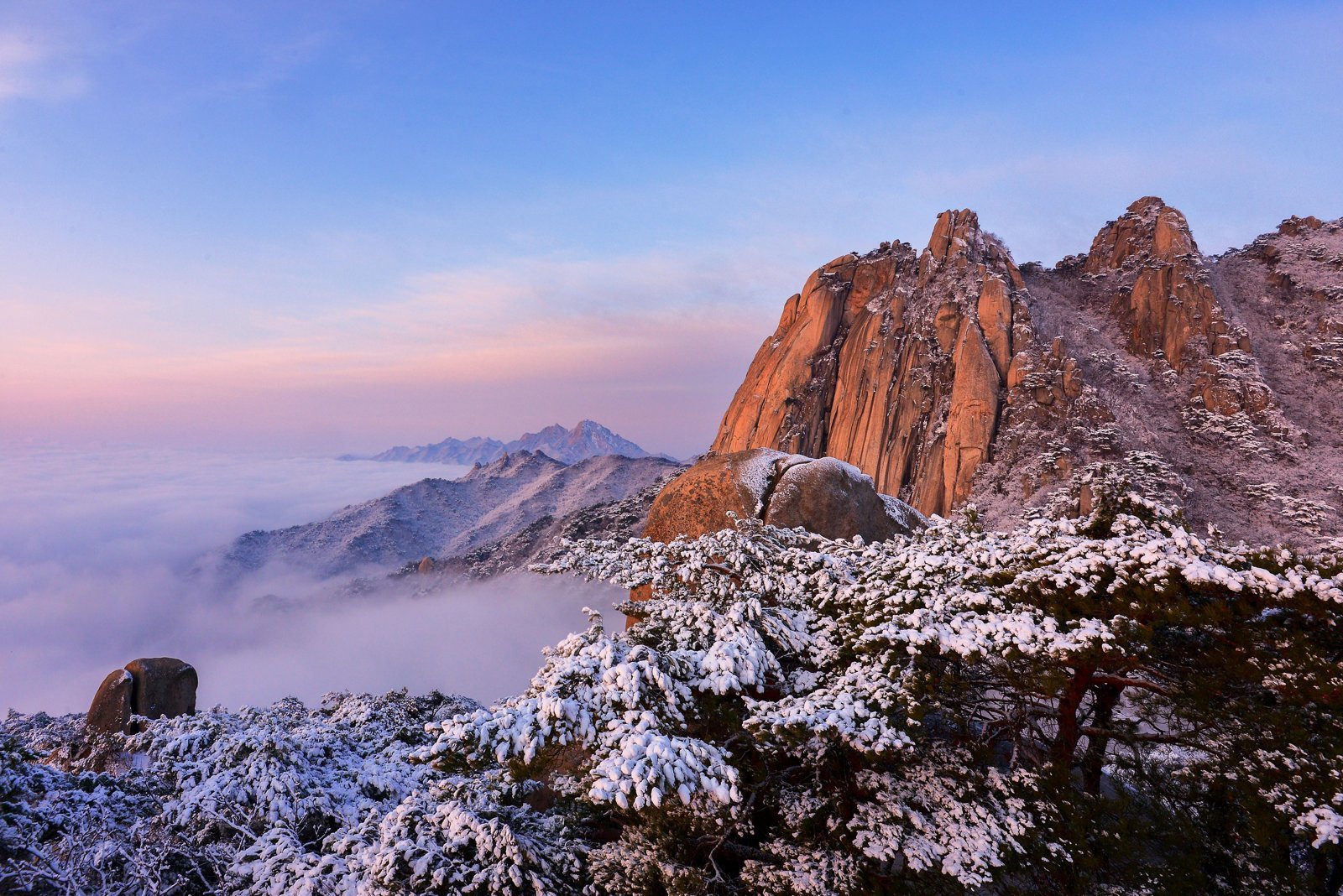
- In midwinter: From December the summit rock ices over and crampons become essential.
Hotels nearby
Prices are Google Maps nightly rates, checked October 26, 2026 ($1 = about ₩1,325).
- Right at Ui-dong: Anto (5-star, 4.1, a valley resort on Bukhansan), about $524.
- Budget: Rich Diamond Hotel (3.9), about $41; Dobong Hotel Bay 204 (4.3), about $61.
- Easiest: Stay in Jongno or Dongdaemun and take the Ui-Sinseol Line in the morning (about 30 minutes from Sinseol-dong to Bukhansan Ui).
Getting there
① From Gimpo Airport (the airport closest to central Seoul)
- Ui-dong route: Line 5 from Gimpo Airport toward Macheon / Hanam Geomdansan, change at Dongdaemun History & Culture Park to Line 4 toward Jinjeop, change at Sungshin Women’s University to the Ui-Sinseol Line, ride to the last stop, Bukhansan Ui, Exit 2. About 90 minutes, roughly ₩1,650 ($1.20).
② From Incheon Airport
- Ui-dong route: AREX all-stop train from Incheon Airport Terminal 1 or 2, change at Seoul Station to Line 4 toward Jinjeop, change at Sungshin Women’s University to the Ui-Sinseol Line, ride to Bukhansan Ui. About two hours, roughly ₩4,550 ($3.40).
- Bukhansanseong route: AREX to Seoul Station, Line 4, change at Chungmuro to Line 3 toward Daehwa, ride to Gupabal, then take a local bus about 15 minutes to the Bukhansanseong Ipgu stop (check the route number at the stop).
From Myeongdong
- Ui-dong route: Line 4 from Myeongdong, change at Sungshin Women’s University to the Ui-Sinseol Line, ride to Bukhansan Ui. About 50 minutes.
- Bukhansanseong route: Line 4 from Myeongdong, change at Chungmuro to Line 3, ride to Gupabal (about 30 minutes), then 15 minutes by bus.
Only Here: 39 Things You Can Only Do in Korea · Part 10 of 39
Part 11 arrives Nov. 7.
Read next


Trending on Seol Notes
- Kim You-jung Cracked Japan Despite the 'Anti-Japan Drama' Label
- The Emperor of K-pop Came Back, and Korea Flipped
- Ae-sun Left the Baeksang Empty-Handed. Then She Spoke: IU
- 85,000 Fans in São Paulo Sang 'Arirang,' and BTS Put Down Their Microphones
- K-pop News Today (Nov 4, 2026): RESCENE's 'With' Hits No. 1 on Melon, TWS Sell 630,000 on Day One, AND2BLE's Career-High Week
Sources
- Baegundae route, cable section, safety: Seoul Media Hub, April 16, 2026
- Doseonsa–Baegundae route, Baegun Hut, high-ground foliage: Seoul Media Hub, October 19, 2026
- Ui-dong and Bukhansanseong route distances and times: Bravo My Life
- 60% foreign visitors at the hiking center: Seoul Shinmun, March 6, 2026
- Seoul Hiking Week foreign visitors: Herald Economy, December 7, 2025
- Hiking center rental prices and hours: Seoul Media Hub, Seoul Media Hub
- 2026 Bukhansan foliage forecast (Weather i): @_seoulhotplace on Instagram (September 2026)
- Post-hike restaurants: Allure Korea, Seoul Media Hub on the Ui-dong valley
- Google Maps ratings and hotel rates: checked October 26, 2026
- Photos: Korea Tourism Organization (KOGL Type 1), photographer credited on each photo; embedded public Instagram posts and YouTube videos
Discover more from Seol Notes
Subscribe to get the latest posts sent to your email.